In This Article
What This Means
- The Critical Role of Crypto-Agility in PQC Migration
- Enterprise Implications of PQC Discovery and Inventory
- How QuantumGenie Fits in the Crypto-Agility Landscape
The Critical Role of Crypto-Agility in PQC Migration
As quantum computers advance, the urgency to replace vulnerable classical cryptographic algorithms has never been clearer. The new 7-phase PQC migration framework introduced by PQC Today crystallizes a holistic approach that places crypto-agility front and center. Rather than piecemeal updates, enterprises must architect systems designed for rapid and low-disruption algorithm swaps. This agility reduces operational risk, eases compliance burdens, and prepares organizations for evolving cryptographic standards without costly rewrites or outages.
Crypto-agility is not just about supporting multiple algorithms; it's about comprehensive planning—from inventorying cryptography uses and dependencies to designing flexible software interfaces and infrastructure. Employing a Cryptographic Bill of Materials (CBOM) is critical to this approach, providing transparency of cryptographic components and their lifecycle statuses. Such visibility enables precise impact analysis and prioritization, essential when baselining risk against compliance regimes and business drivers.
Enterprise Implications of PQC Discovery and Inventory
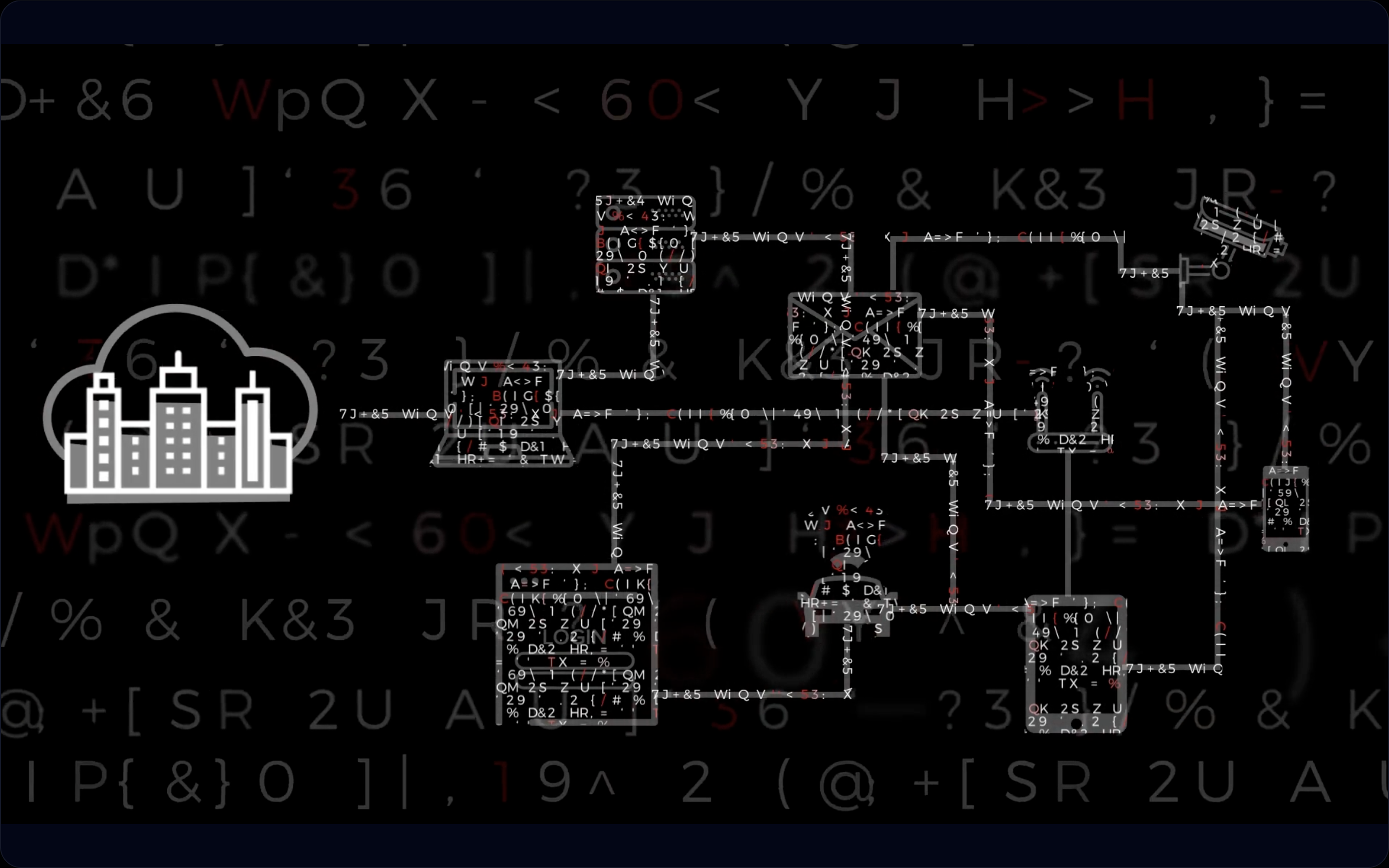
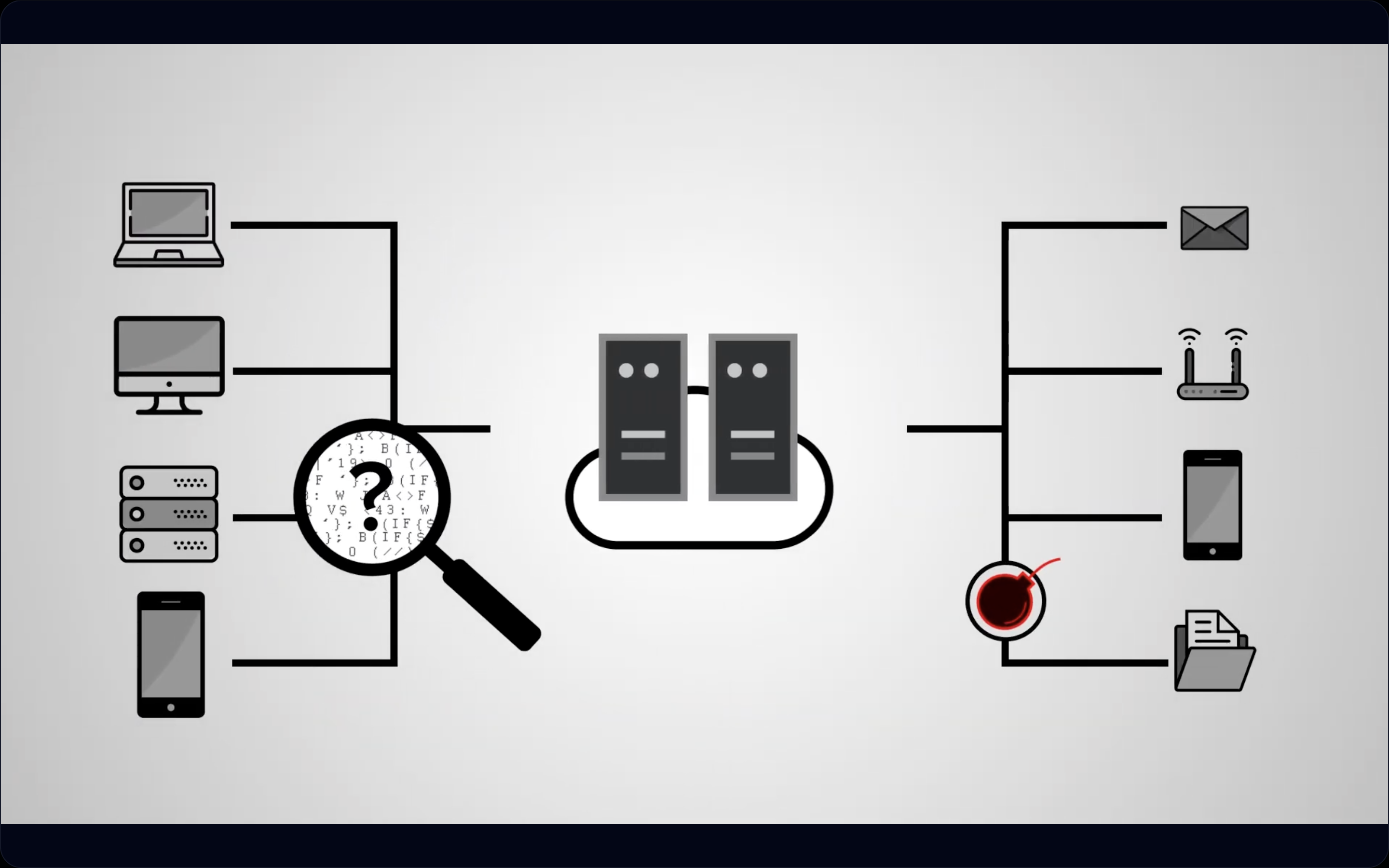
Complementing agile design, comprehensive cryptographic discovery remains a cornerstone of any PQC readiness program. The automation of cryptography inventories, as highlighted in supporting stories, underscores the complexity faced by enterprises whose cryptographic footprint spans physical devices, cloud services, applications, and traded certificates. Without granular visibility, enterprises risk blind spots that malicious actors could exploit or compliance audits could penalize.
Moreover, inventorying cryptography with risk scoring and regulatory mapping accelerates prioritization decisions. It enables security teams to focus scarce resources on the highest-risk cryptographic assets and paves the way for governance workflows that track migration progress and compliance evidence. A robust cryptographic inventory is fundamental to executing any migration framework efficiently, reducing surprises during scans or audits.
Key Elements of Enterprise PQC Migration Framework
| Phase | Focus Area | Enterprise Objective |
|---|---|---|
| 1 | Cryptography Discovery & Inventory | Build accurate CBOM to identify cryptographic components and dependencies |
| 2 | Risk Prioritization | Assess and prioritize cryptographic risks for phased migration |
| 3 | Migration Planning & Crypto-Agility Design | Design applications for flexible algorithm swap and governance |
| 4 | Implementation and Verification | Execute migration with testing and compliance evidence |
How QuantumGenie Fits in the Crypto-Agility Landscape
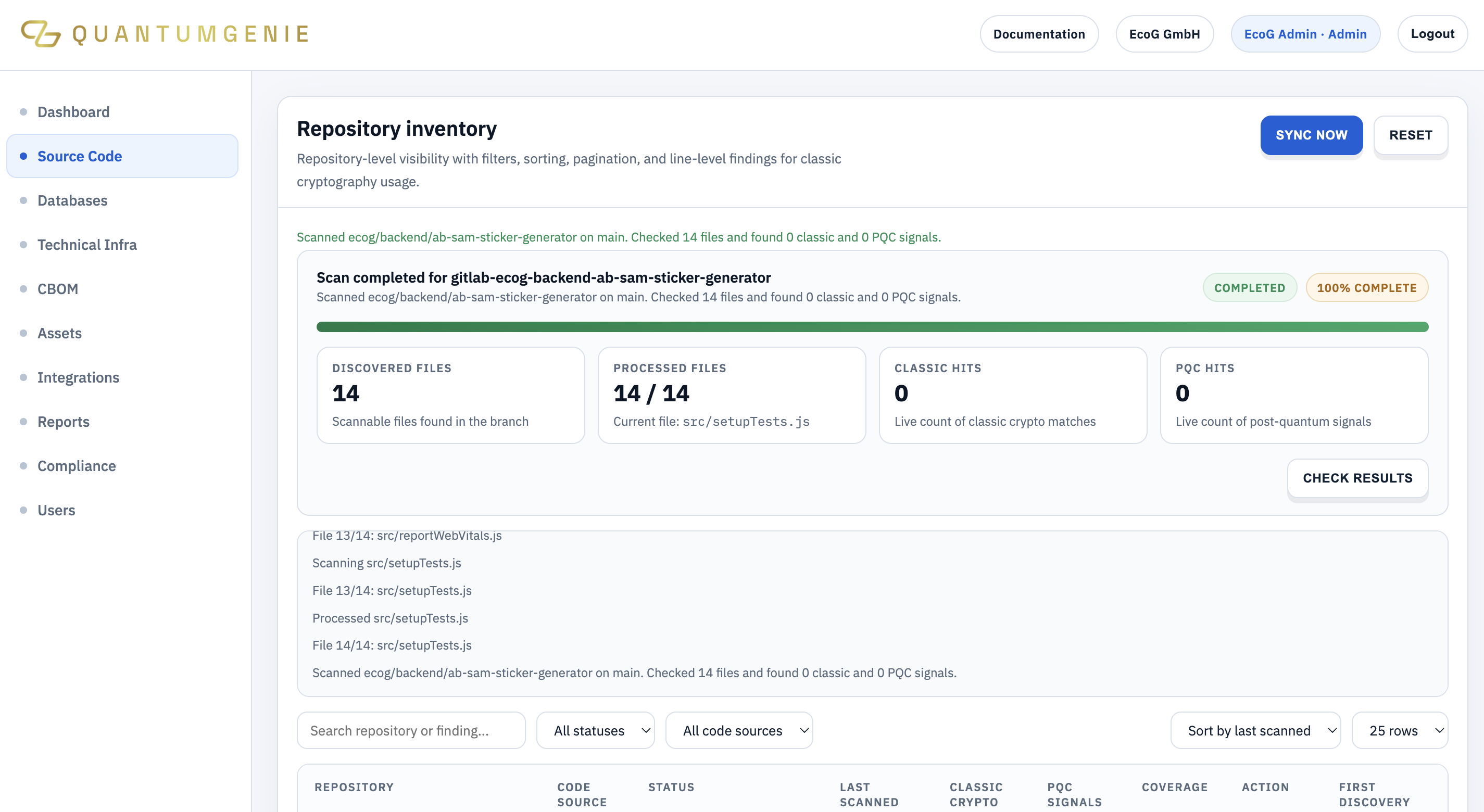
QuantumGenie perfectly aligns with the strategic imperatives highlighted by PQC Today's migration framework. It delivers deep discovery through CipherScan, producing accurate cryptographic inventories and CBOMs that reveal cryptography use across entire enterprise footprints. This visibility is key to early risk identification and prioritization.
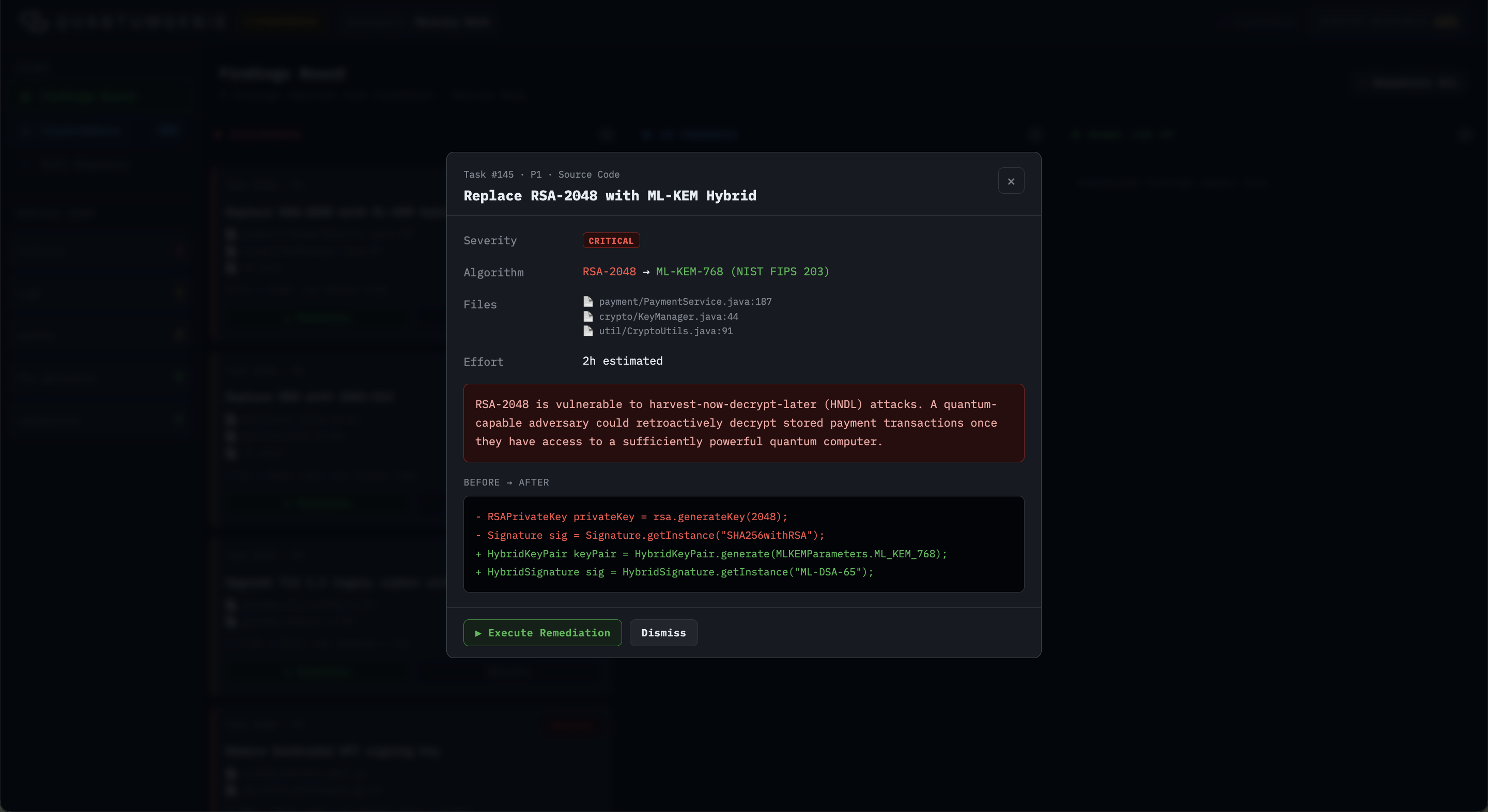
Beyond discovery, QuantumGenie's CipherNova enables enterprises to operationalize the multi-phase migration path with pull request orchestration, policy exception management, and verification workflows. These capabilities embed crypto-agility into daily development and security processes, reducing manual overhead and improving governance transparency. Thus, QuantumGenie equips organizations to move beyond theory to practical, controlled post-quantum migration at scale.
Frequently Asked Questions
What is crypto-agility and why is it critical for post-quantum migration?
Crypto-agility refers to the capability of systems to swiftly and seamlessly switch between cryptographic algorithms without major changes. It is critical for post-quantum migration because it allows enterprises to adapt to evolving standards and threats with minimal operational disruption.
How does a Cryptographic Bill of Materials (CBOM) support enterprise PQC readiness?
A CBOM provides detailed visibility into all cryptographic components and their dependencies within enterprise systems. This transparency facilitates risk assessment, prioritization, compliance evidence gathering, and effective migration planning, ensuring no cryptographic asset is overlooked.
Watch The Quantum Threat
Sources And Further Reading
- Crypto Agility — 7-Phase PQC Migration Framework & CBOM PQC Today · Jun 29, 2026
- EQCore — Quantum Security For Every Layer EQCore · Jun 29, 2026
- Cryptographic Inventory | TYCHON Quantum Command Tychon · Jun 29, 2026