In This Article
What This Means
- Entrust and IBM’s recent collaboration to speed up the transition to quantum-safe cryptography is a clarion call for CISOs and security architects. The legacy cryptographic systems protecting enterprise assets today resemble fragile locks from a bygone era, increasingly vulnerable to quantum attack vectors poised to disrupt traditional defenses. The time for cautious observation has passed—enterprises must act decisively on post-quantum readiness.
- This industry partnership exemplifies a growing recognition: quantum computing is no longer a distant threat but a looming reality that demands immediate strategic planning and execution.
- Transitioning to quantum-safe algorithms involves inherent risks, including compatibility challenges, implementation errors, and operational disruptions. Enterprise architects must balance accelerated adoption with the reliability required by complex, mission-critical environments.
Quantum Leap in Enterprise Cryptography
Entrust and IBM’s recent collaboration to speed up the transition to quantum-safe cryptography is a clarion call for CISOs and security architects. The legacy cryptographic systems protecting enterprise assets today resemble fragile locks from a bygone era, increasingly vulnerable to quantum attack vectors poised to disrupt traditional defenses. The time for cautious observation has passed—enterprises must act decisively on post-quantum readiness.
This industry partnership exemplifies a growing recognition: quantum computing is no longer a distant threat but a looming reality that demands immediate strategic planning and execution.
Understanding Post-Quantum Migration Risks
Transitioning to quantum-safe algorithms involves inherent risks, including compatibility challenges, implementation errors, and operational disruptions. Enterprise architects must balance accelerated adoption with the reliability required by complex, mission-critical environments.
Risk mitigation starts with comprehensive inventory and classification of sensitive data, identifying which assets will be most impacted by quantum threats, and prioritizing cryptographic upgrades accordingly.
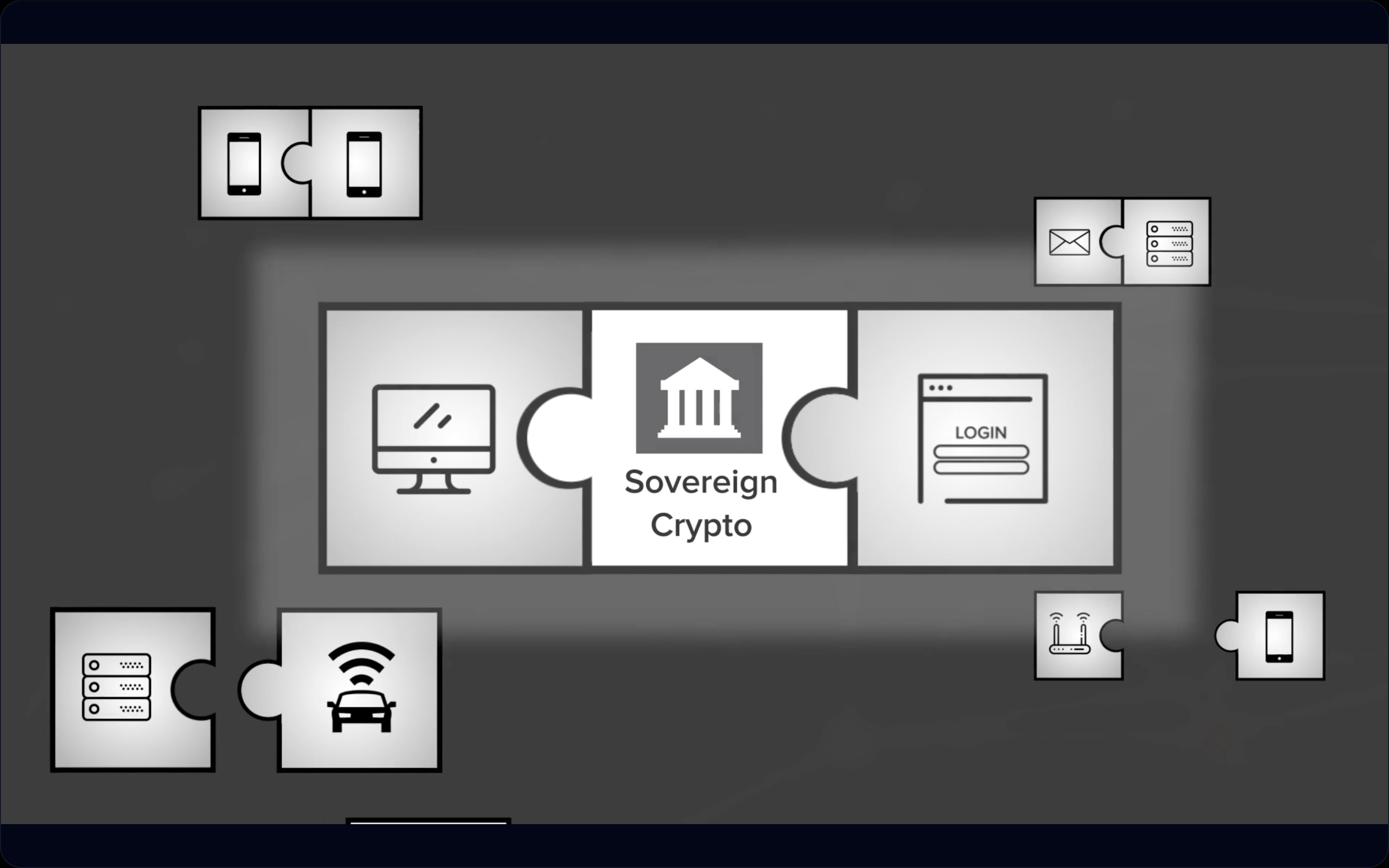
Key Considerations for Quantum-Safe Cryptography Migration
| Consideration | Enterprise Impact | Recommended Action |
|---|---|---|
| Algorithm Validity | Compatibility risks with legacy systems | Pilot NIST-approved algorithms in controlled environments |
| Data Sensitivity | High-risk data targets for quantum attacks | Prioritize cryptographic upgrades on sensitive assets |
| Operational Disruption | Potential service interruptions during migration | Phased implementation with rollback plans |
| Vendor Collaboration | Dependence on third-party support | Engage partners with proven post-quantum expertise |
Practical Steps for Quantum-Safe Adoption
Begin with pilot projects that implement NIST-approved post-quantum cryptography standards, leveraging vendor partnerships—like those between Entrust and IBM—to ensure interoperability and support. Incremental migration reduces operational risk and builds organizational confidence.
Enterprise security teams should also enhance monitoring and threat detection capabilities, preparing to respond to quantum-exploited attack scenarios and supporting a phased deprecation of vulnerable legacy systems.
The Business Case for Quantum Preparedness
Ignoring quantum risk is tantamount to leaving a vault door wide open after investing millions in security—modern threats require modern solutions. The potential fallout from post-quantum cryptography neglect spans regulatory penalties, intellectual property loss, and eroded client trust.
Leaders who proactively integrate quantum-safe practices can transform an existential risk into a strategic advantage, future-proofing data security and reinforcing market credibility.
Frequently Asked Questions
Why must enterprises act now on quantum-safe cryptography?
Quantum computing advances rapidly, and attacks could decrypt legacy encrypted data retroactively. Early action minimizes transition risk and protects sensitive assets before threats materialize.
How can CISOs balance urgency with risk in post-quantum migration?
By adopting phased, pilot-driven migrations leveraging industry standards and vendor partnerships, CISOs can reduce operational disruptions while accelerating quantum readiness.
What are the practical first steps for enterprise teams starting post-quantum adoption?
Start with a detailed inventory of cryptographic assets, assess data sensitivity, pilot NIST-approved algorithms, and collaborate closely with trusted vendors experienced in post-quantum implementations.
Watch The Quantum Threat
Sources And Further Reading
- Entrust and IBM collaborate to accelerate enterprise transition to quantum-safe cryptography Intelligent CISO · Apr 30, 2026
- PQShield: 4 Quantum Threats Enterprises Must Address Now Quantum Zeitgeist · Apr 30, 2026
- Your Company's Sensitive Data Could Already Be at Risk as Quantum Computing Advances USA Today · Apr 29, 2026
- BTQ Technologies Demonstrates Quantum-Safe Bitcoin Using NIST Standardized Post-Quantum Cryptography, Protecting $2+ Trillion Market at Risk PR Newswire · Oct 16, 2025