In This Article
What This Means
- Quantum-Safe Ransomware: A Strategic Wake-Up Call
- The Enterprise Imperative: Accelerate PQC Migration Now
- How QuantumGenie Fits into the Quantum-Safe Security Equation
Quantum-Safe Ransomware: A Strategic Wake-Up Call
The April 2026 revelation that a ransomware family named Kyber now employs ML-KEM, a post-quantum cryptographic algorithm standardized by NIST, marks a historic turning point. This is the first confirmed instance where malicious actors have integrated quantum-resistant encryption to protect their payloads. The adoption of such advanced cryptography by threat actors sharply raises the stakes for enterprises. It illustrates that quantum-safe security is not just a theoretical requirement but a practical necessity in defending against future and emerging threats.
The Enterprise Imperative: Accelerate PQC Migration Now
This development adds urgency to the enterprise migration landscape already shaped by NIST’s 2024 finalization of ML-KEM and related quantum-safe standards. As noted by Security Today and others, delayed transition risks allowing both state-level adversaries and quantum-enabled cybercriminals to exploit legacy cryptographic vulnerabilities. Enterprises must rapidly inventory their cryptographic assets, understand exposure to harvest-now-decrypt-later attacks, and begin implementing hybrid or quantum-safe algorithms. Post-quantum cryptography migration is no longer optional—it is an essential evolution of the security posture that demands strategic planning and operational execution.
Post-Quantum Cryptography Migration Considerations Amid Emerging Threats
| Consideration | Description | Enterprise Impact |
|---|---|---|
| PQC Algorithm Adoption by Threat Actors | Ransomware like Kyber uses post-quantum encryption (e.g., ML-KEM) to secure malware payloads | Elevates urgency for enterprises to adopt PQC to prevent data decryption failures and breaches |
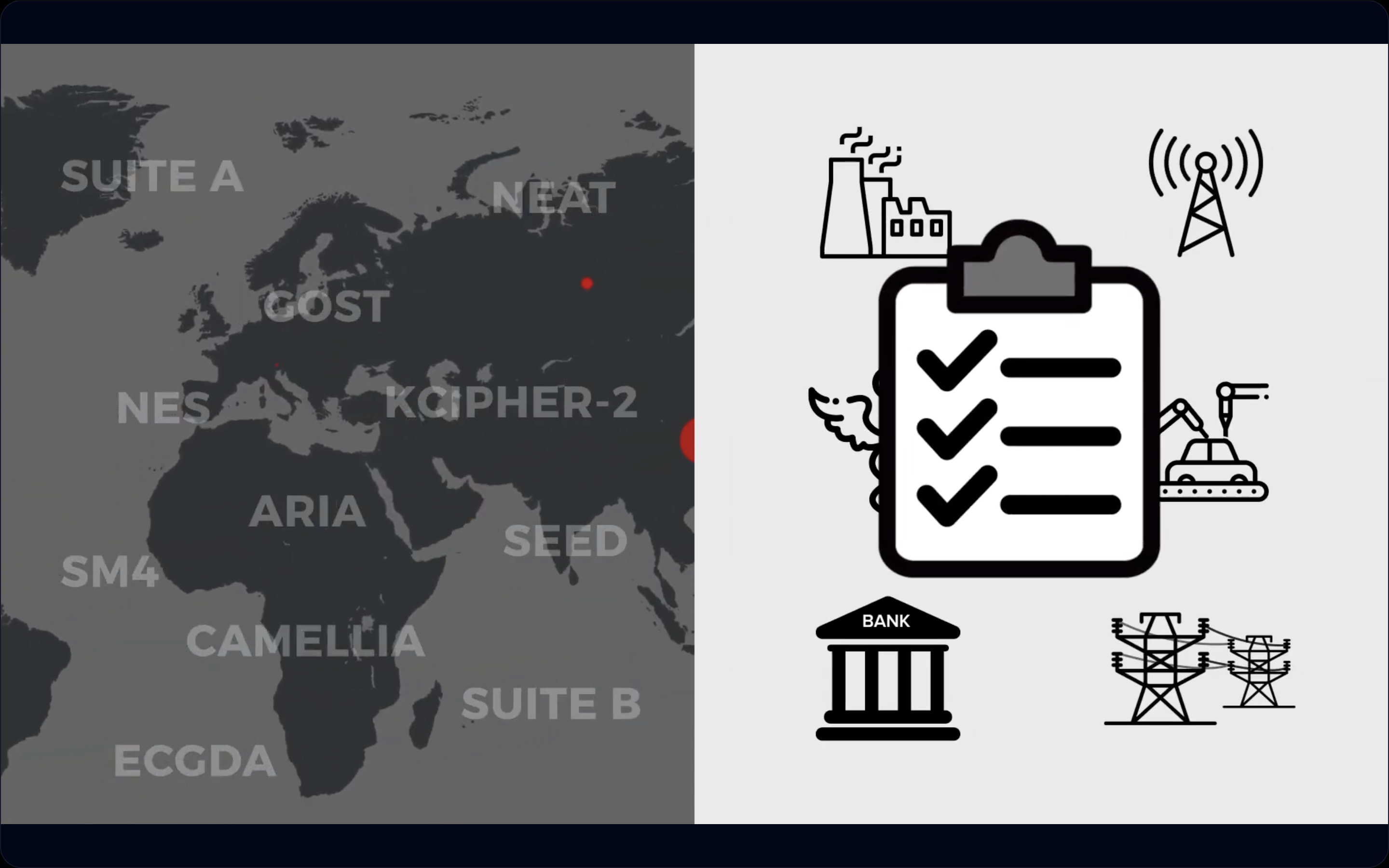
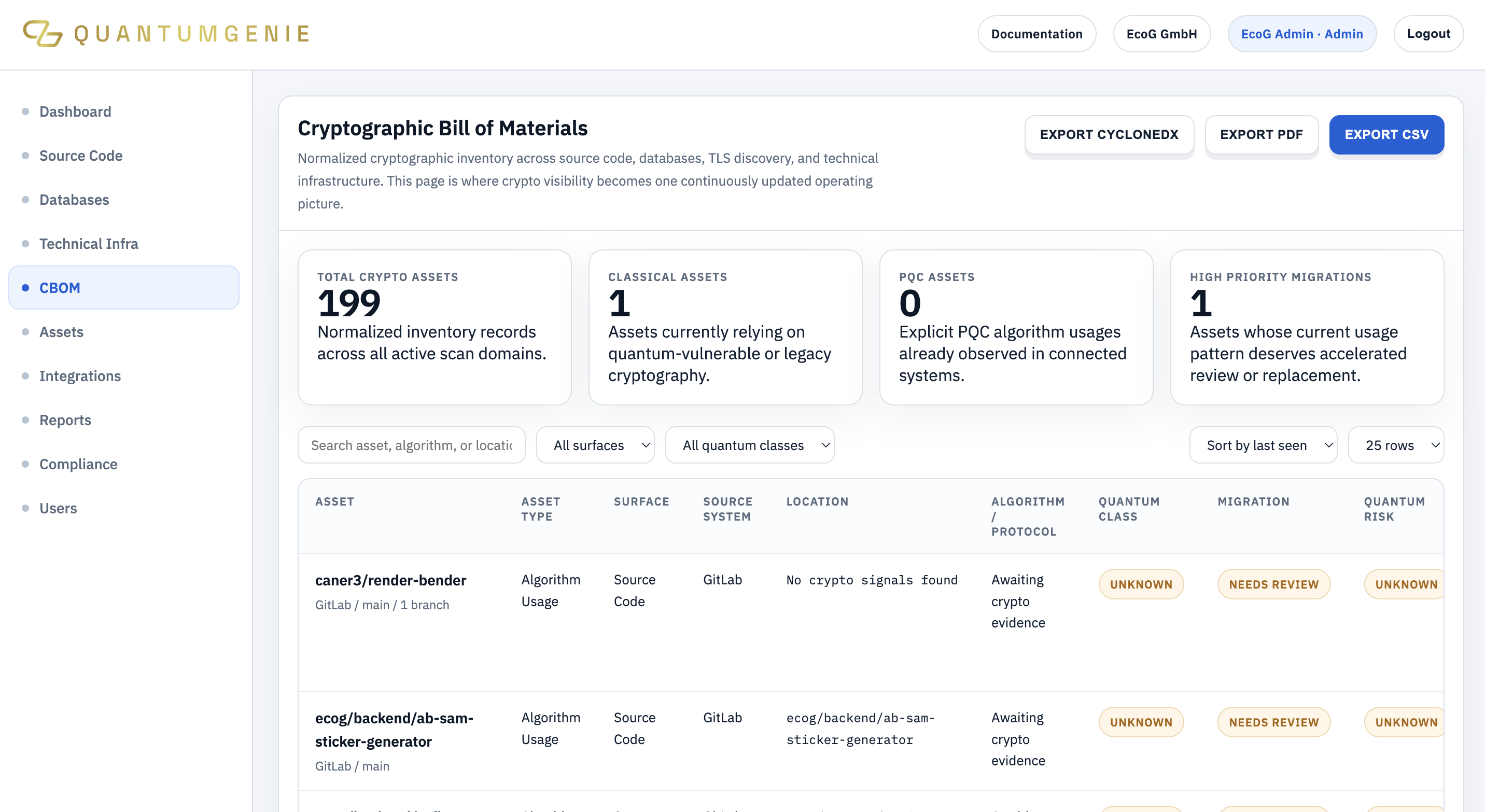
| Cryptographic Inventory Visibility | Enterprises must map encryption usage across environments to identify PQC exposure | Enables targeted remediation prioritization and reduces scope of vulnerable assets |
| Hybrid Cryptography Transition | Gradual adoption of quantum-safe algorithms alongside classical keys | Supports crypto agility and allows phased migration, minimizing disruption |
| Operational Workflow Automation | Integrating discovery and remediation into secure workflows | Improves efficiency, compliance, and reduces human error during migration |
How QuantumGenie Fits into the Quantum-Safe Security Equation
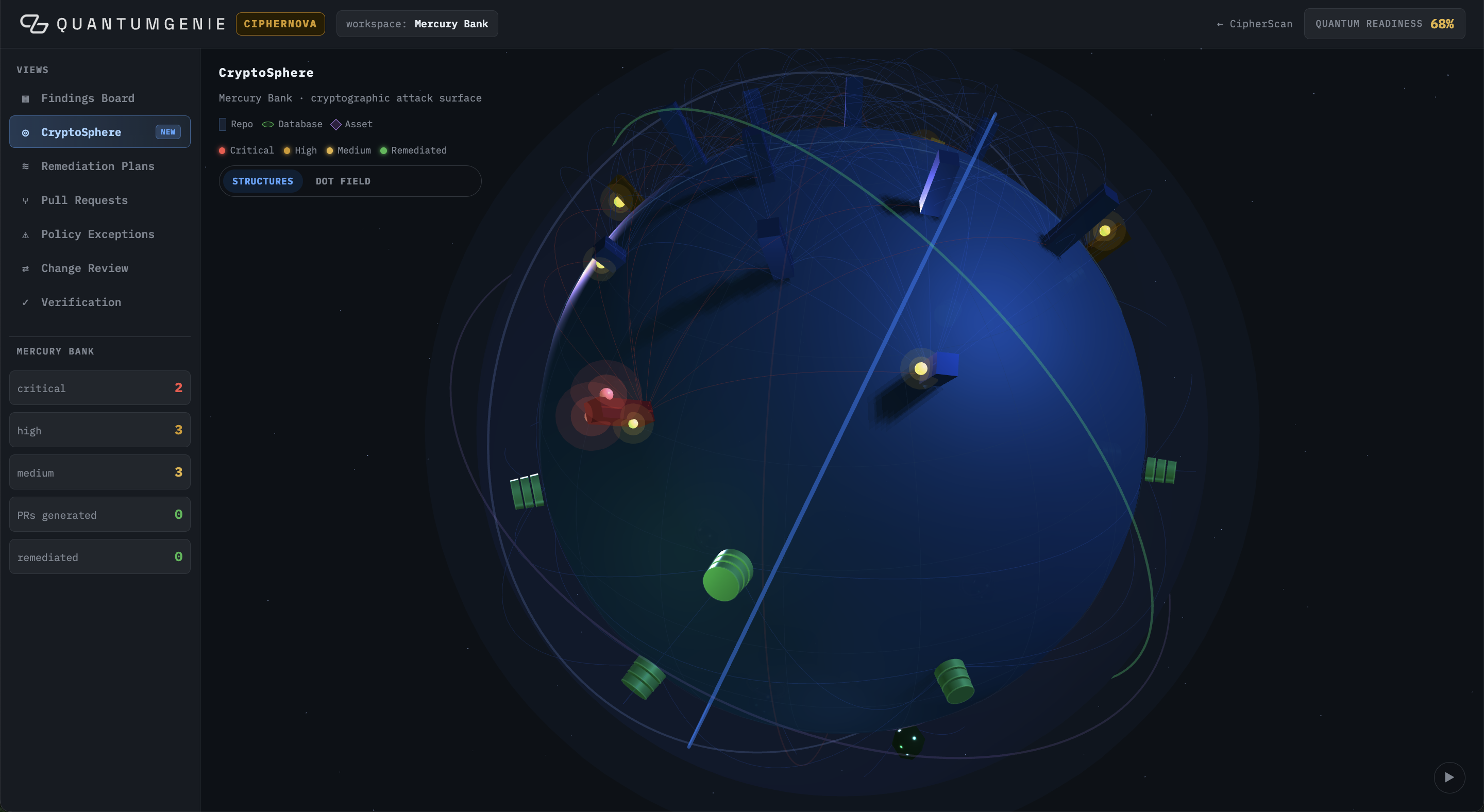
QuantumGenie is uniquely positioned to assist enterprises grappling with this swiftly evolving threat landscape. By providing deep discovery and actionable insights into cryptographic inventory across digital assets, QuantumGenie enables CISOs and security teams to identify where vulnerable encryption persists. Its prioritization framework guides risk-based remediation planning, while the CipherNova orchestration layer operationalizes the quality and consistency of migration workflows. This comprehensive approach supports enterprises in closing the gap between discovery and remediation, addressing both compliance readiness and operational risk amid the advent of quantum-safe ransomware threats.
Frequently Asked Questions
Why does the emergence of quantum-safe ransomware increase urgency for enterprises to upgrade their cryptography?
Quantum-safe ransomware uses algorithms resistant to quantum computing attacks, complicating detection and prevention. Enterprises using legacy encryption risk data breaches and ineffective incident response, making accelerated migration to post-quantum cryptography critical.
How does QuantumGenie facilitate enterprises in preparing for post-quantum cryptography challenges?
QuantumGenie provides comprehensive cryptographic inventory discovery, risk prioritization, and orchestration of remediation workflows that streamline the identification and replacement of vulnerable cryptographic assets, supporting efficient and compliant PQC migration.
Watch The Quantum Threat
Sources And Further Reading
- In a First, a Ransomware Family Is Confirmed to Be Quantum-Safe Ars Technica · Apr 23, 2026
- NIST Releases First 3 Finalized Post-Quantum Encryption Standards NIST · Aug 13, 2024
- Post-Quantum Cryptography: Why Enterprises Must Transition Their Encryption Now Security Today · Apr 5, 2026