In This Article
What This Means
- Post-Quantum Encryption Enters the Threat Landscape
- Enterprise Implications and Strategic Responses
- How QuantumGenie Fits Into the Post-Quantum Migration Continuum
Post-Quantum Encryption Enters the Threat Landscape
The recent discovery that the Kyber ransomware group has incorporated a NIST-standardized post-quantum cryptography algorithm, ML-KEM-1024, into its Windows encryptor marks a profound shift in the cybersecurity threat environment. This is the first known instance where post-quantum cryptographic algorithms have been weaponized by adversaries in the wild, no longer confined to academic or governmental deployments. It signals an escalation: quantum-resistant algorithms, designed to protect against future quantum computer attacks, are now tools in the hands of extortionists today.
For enterprises, this presents a double-edged challenge. On one hand, PQC adoption is critical for future-proofing sensitive communications and data. On the other hand, the operational reality that cybercriminals are already exploiting these technologies demands immediate and pragmatic migration efforts. Organizations that delay transitioning their encryption risk exposure not only to quantum decryption but also to increasingly sophisticated ransomware that may leverage hybrid classical and post-quantum methods for stealth and strength.
Enterprise Implications and Strategic Responses
The timeline for enterprise PQC migration is narrowing dramatically. Cloudflare’s move to advance its post-quantum encryption deployment deadline to 2029, in line with recent federal mandates aiming for 2030 quantum-safe standards, underscores the acceleration required industry-wide. This regulatory and market pressure, combined with adversary capabilities, forms a clear mandate: the window for reactive PQC adoption is closing quickly.
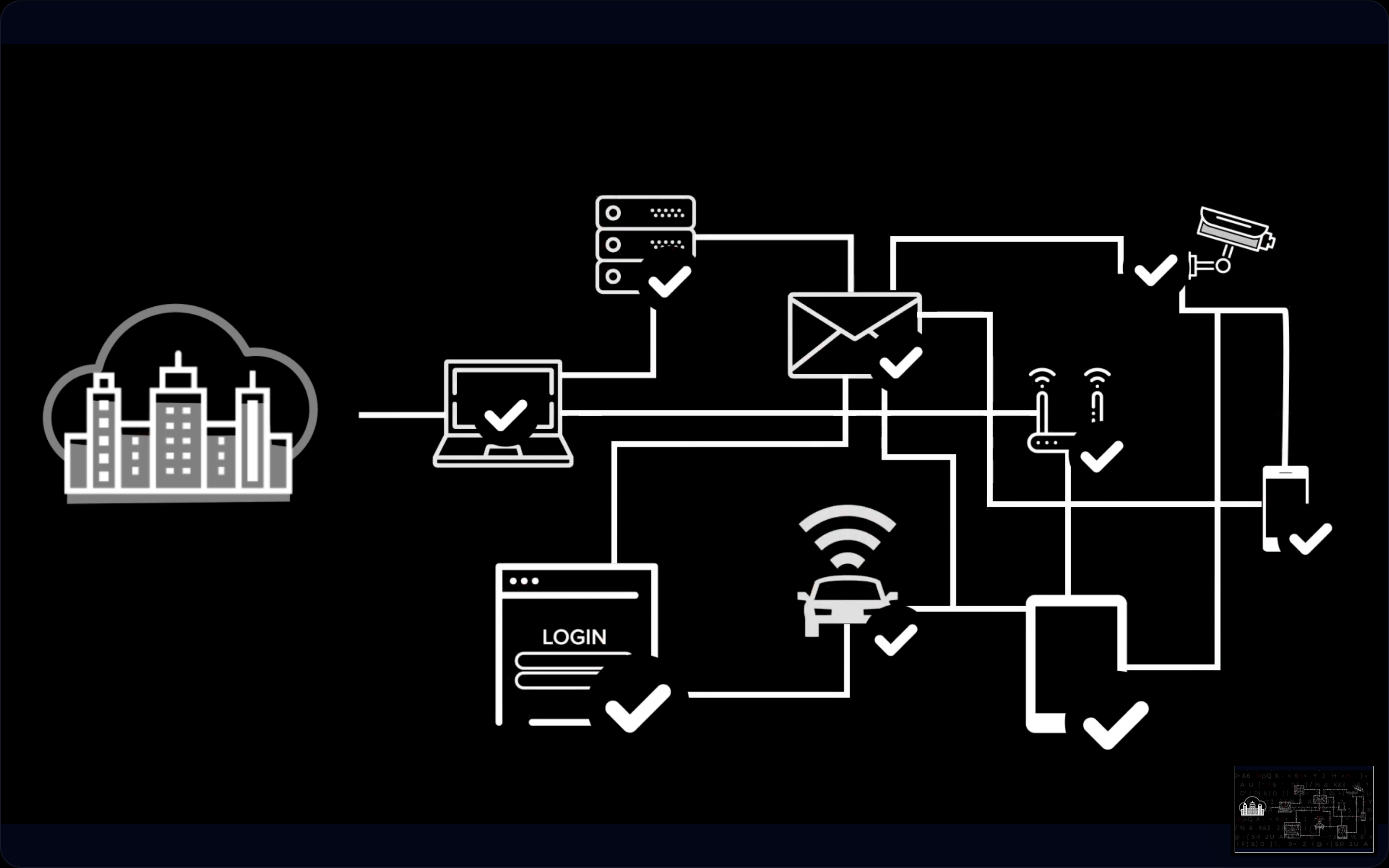
In practical terms, enterprises must first gain granular visibility into their cryptographic assets—an often underestimated and complex task. Cryptography is deeply embedded across application code, infrastructure services, certificates, and integrations. Only a comprehensive cryptographic inventory and risk assessment can provide a roadmap for prioritized remediation and migration. Additionally, enterprises should embrace continuous crypto-agility approaches that enable adaptive, phased rollout of PQC algorithms aligned with emerging standards and evolving threat intelligence.

Comparing Post-Quantum Migration Drivers and QuantumGenie Capabilities
| Aspect | Current Landscape Challenge | QuantumGenie Contribution |
|---|---|---|
| Threat Landscape | Emerging use of PQC by cybercriminals elevates urgency | Early cryptographic exposure detection including PQC algorithms |
| Compliance Pressure | Federal mandates push for 2030 deadline for PQC migration | Streamlined compliance evidence through comprehensive CBOM and audit support |
| Migration Complexity | Distributed crypto assets hard to identify and prioritize | Holistic inventory and risk prioritization for phased remediations |
| Adaptive Security | Need for crypto-agility to handle evolving PQC standards and threats | Workflow orchestration supporting agile migration and policy enforcement |
How QuantumGenie Fits Into the Post-Quantum Migration Continuum
QuantumGenie offers a strategic platform tailored to address the enterprise challenges illuminated by these developments. Its CipherScan module enables thorough discovery and inventorying of cryptographic usage across the entire technology stack—from websites and certificates to source code and applications—providing the foundational visibility enterprises need before embarking on complex migration efforts.
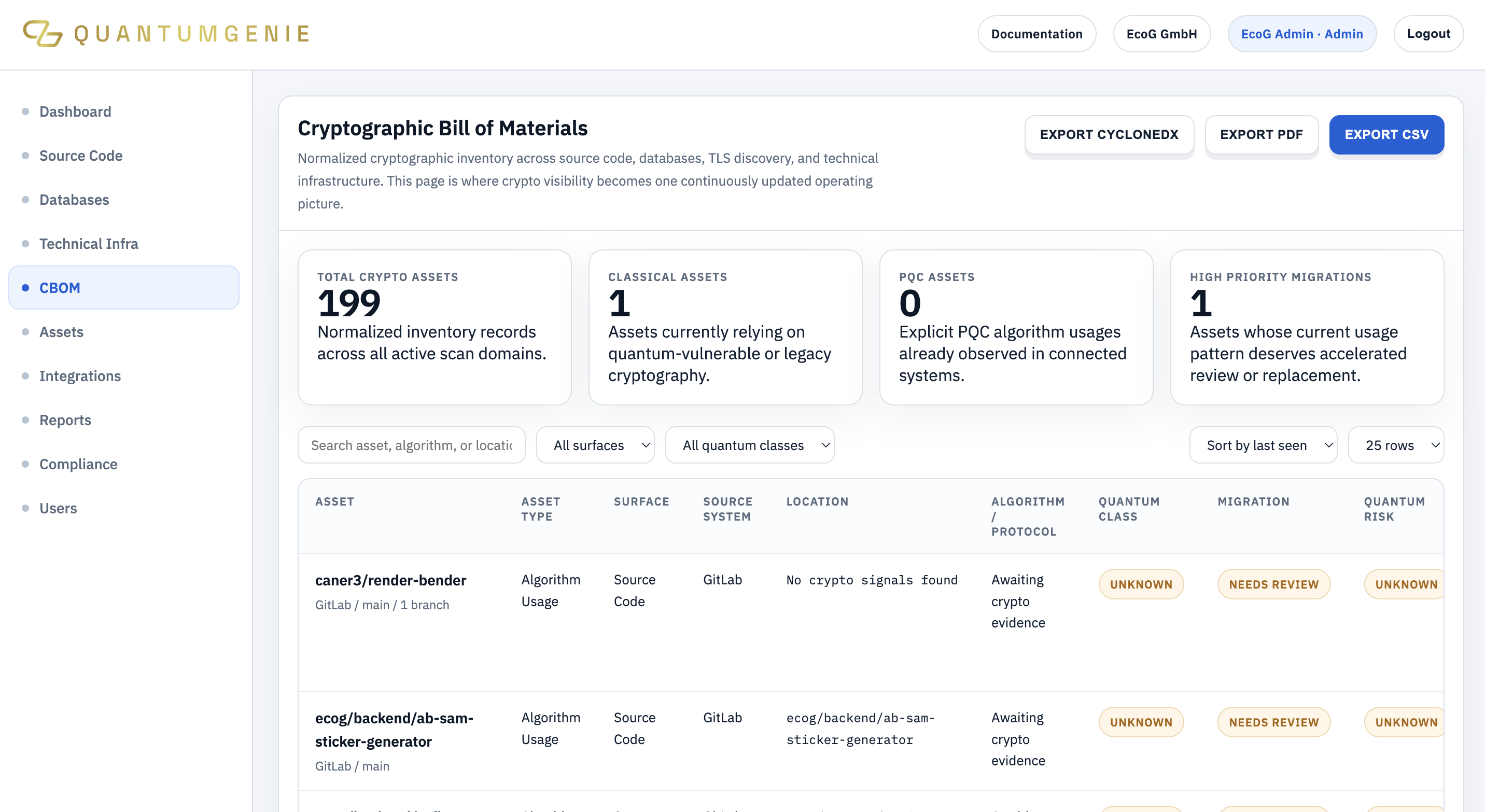
Beyond discovery, QuantumGenie supports prioritized risk assessment, building a cryptographic bill of materials (CBOM), and orchestrating remediation workflows through its CipherNova layer. This comprehensive solution empowers enterprises to effectively manage migration complexity, document compliance readiness, and execute crypto-agile adaptation, thereby mitigating risks exposed by the emergent criminal use of post-quantum cryptography.
Frequently Asked Questions
Why is the use of post-quantum cryptography by ransomware groups significant?
The deployment of NIST-standard PQC algorithms by ransomware indicates that quantum-resistant encryption is no longer just a future technology but is being actively used by adversaries today, increasing the urgency for enterprises to migrate to PQC to maintain security.
How can enterprises effectively prepare for and manage PQC migration?
Enterprises should start with comprehensive discovery of all cryptographic uses, assess risks based on priority, build a cryptographic inventory or CBOM, and implement workflow-driven remediation plans ensuring crypto-agility and compliance readiness—capabilities provided by platforms like QuantumGenie.
Watch The Quantum Threat
Sources And Further Reading
- Kyber Ransomware: First Criminal Use of Post-Quantum Encryption Cloud Security Alliance · Apr 24, 2026
- Cloudflare Moves Post-Quantum Encryption Deadline to 2029 Amid Federal 2030 Mandate Tech Times · Jun 25, 2026
- Post-Quantum Cryptography: Why Enterprises Must Transition Their Encryption Now Security Today · Apr 5, 2026