In This Article
What This Means
- Enterprise Stakes in Post-Quantum Migration
- Building a Foundation: Inventory, Risk, and Migration Pathways
- Comment QuantumGenie répond à ce besoin
Enterprise Stakes in Post-Quantum Migration
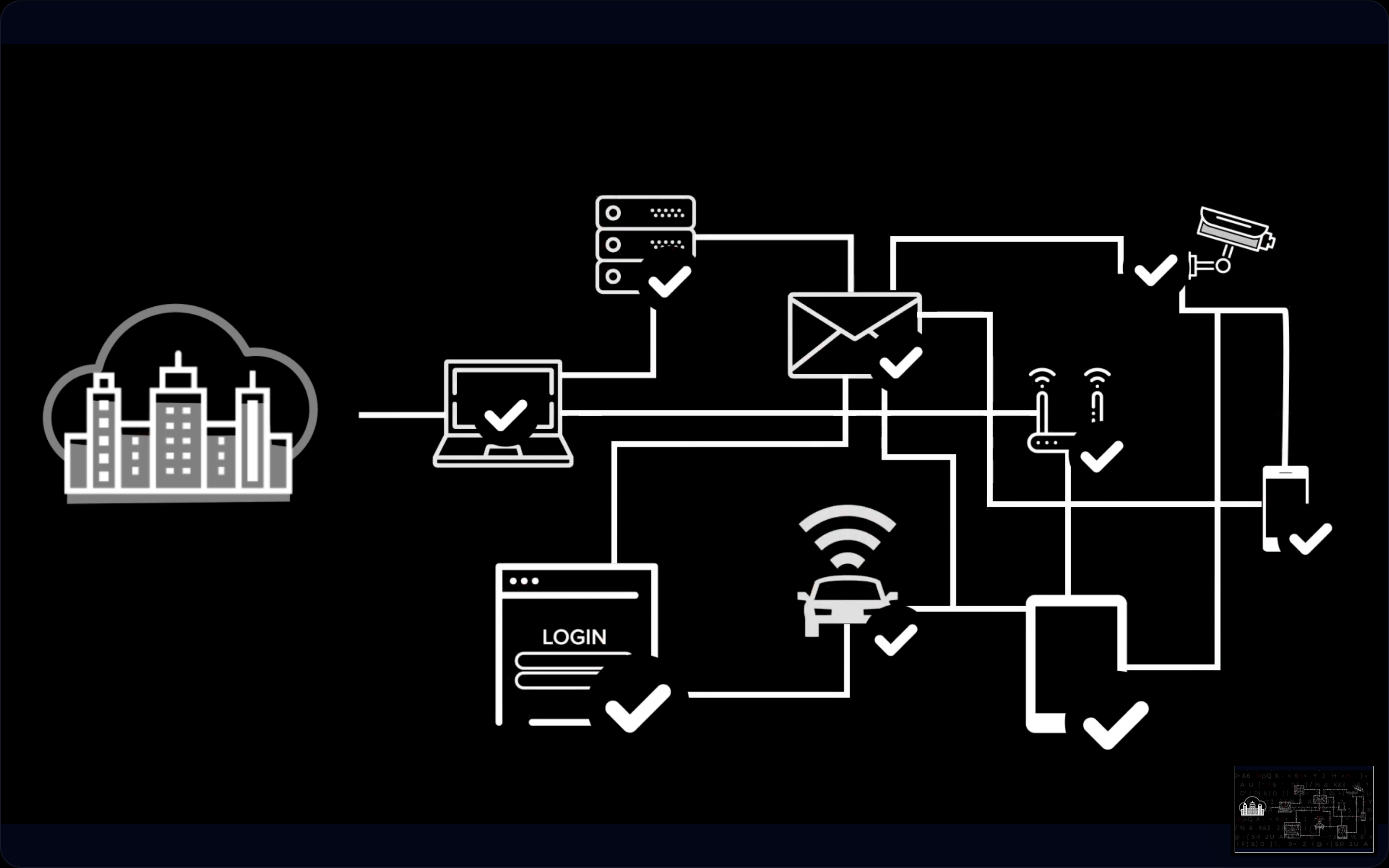
With the imminent arrival of quantum computing capabilities that can break many classical encryption algorithms, enterprises face a daunting security challenge. The migration to post-quantum cryptography (PQC) is no longer theoretical — it has become a pressing operational priority. As illustrated by CyberSeQ’s PostQ™ v2.0 platform, maintaining a comprehensive and authoritative system of record for cryptographic risk is essential to steer migration efforts effectively. Without visibility into where and how cryptography is deployed, organizations risk missing critical vulnerabilities or legacy dependencies that could be exploited, or faced with high remediation costs if they lack clear migration paths.
Building a Foundation: Inventory, Risk, and Migration Pathways
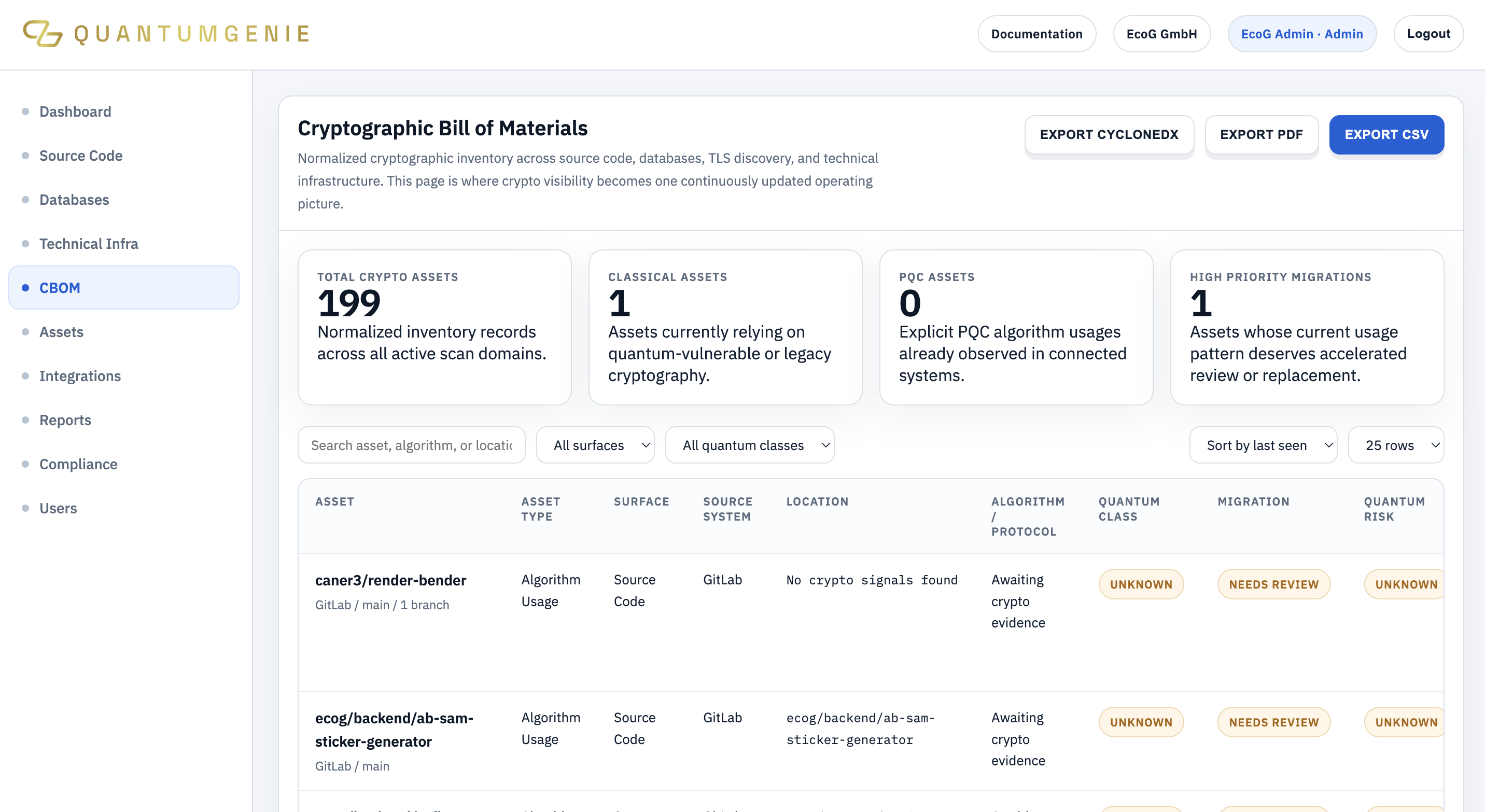
Successful PQC migration demands more than replacing algorithms. It requires enterprises to discover and catalogue all cryptographic assets, assess their risk exposure to quantum threats, and prioritize remediation accordingly. The approach emphasized in sources like 4 Qubits' compliance platform and the Open Security Architecture document converges on the need for crypto-agility — the ability to swiftly adapt cryptographic configurations without disrupting services. Embedded within this is governance, change control, and auditing functions that support compliance frameworks and risk mitigation. Consequently, companies must operationalize a cryptographic Bill of Materials (CBOM) to map dependencies spanning infrastructure, applications, certificates, and source code.
Enterprises that invest early in cryptographic asset discovery and risk categorization position themselves to move from reactive to strategic migration planning. Identifying migration pathways — understanding which systems can migrate straight to quantum-resistant algorithms, which require hybrid solutions, and which need phased approaches — is vital to balance security, cost, and operational continuity.

Key Enterprise Considerations for Post-Quantum Cryptography Migration
| Consideration | Description | Enterprise Impact |
|---|---|---|
| Cryptographic Asset Discovery | Automated scanning across systems to locate cryptography usage | Foundational visibility to avoid missed exposure and enable CBOM creation |
| Cryptographic Risk Assessment | Evaluating vulnerability to quantum attacks and impact | Helps prioritize remediation efforts by risk and criticality |
| Migration Pathway Identification | Determining suitable PQC algorithm and hybrid approaches per asset | Optimizes security and operational continuity |
| Governance and Change Control | Attesting decisions and managing cryptographic changes | Supports compliance and audit readiness |
Comment QuantumGenie répond à ce besoin
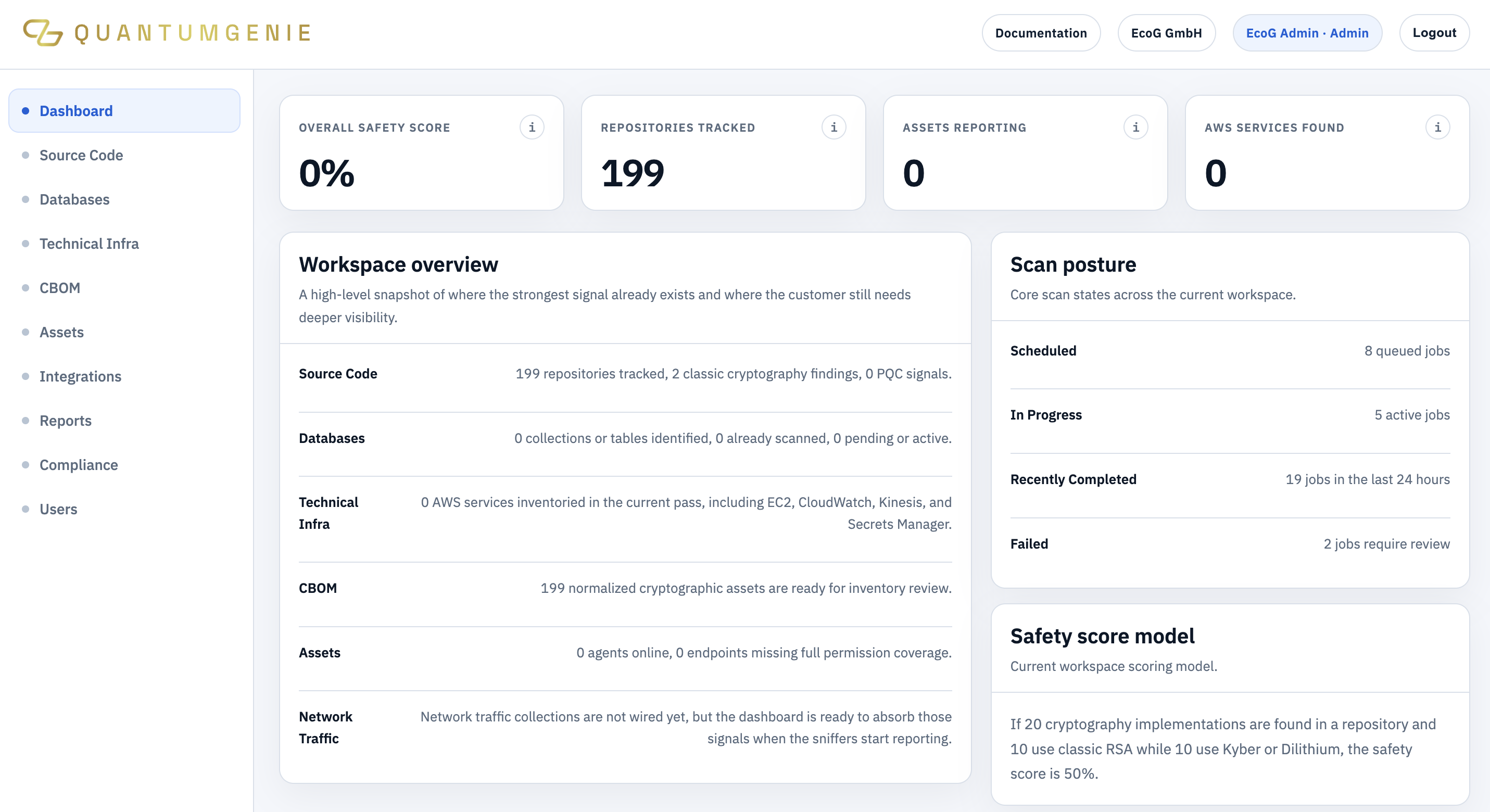
QuantumGenie’s platform is designed precisely for the challenges outlined by CyberSeQ and others in the PQC migration landscape. By delivering automated and continuous discovery of cryptographic assets across enterprise environments, QuantumGenie enables security and IT teams to build a reliable cryptographic inventory and CBOM essential for migration prioritization.
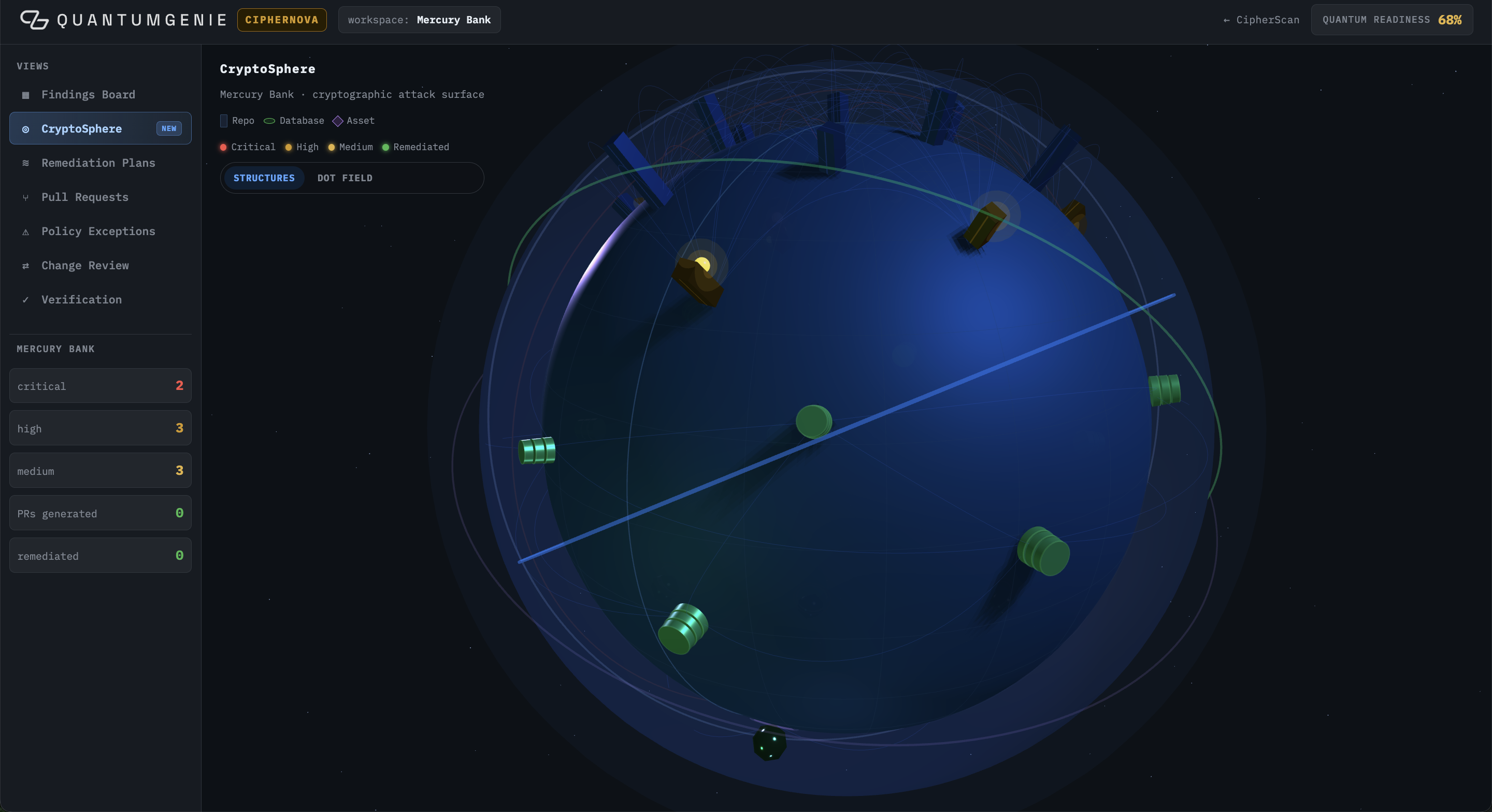
Through its CipherScan discovery capability and CipherNova remediation orchestration, QuantumGenie empowers stakeholders to quantify and reduce quantum-risk exposure methodically. The platform facilitates risk-informed planning, manages migration workflows, and supports governance and compliance. This approach aligns with the practical enterprise demands for not only knowing what to fix but managing and tracking remediation progress efficiently - a critical step before deploying new PQC algorithms.
Frequently Asked Questions
Why is building a cryptographic inventory crucial before migrating to post-quantum algorithms?
A cryptographic inventory provides complete visibility into where and how cryptography is deployed across an organization’s environment. Without this, enterprises risk overlooking critical systems requiring migration, leading to security gaps and compliance failures.
How can enterprises prioritize which cryptographic components to migrate first?
Prioritization is based on assessing the risk exposure of each component to quantum attacks, its business criticality, and the complexity of migration. Establishing a risk-informed roadmap helps focus resources on the most impactful remediation to reduce quantum risk effectively.
Watch The Quantum Threat
Sources And Further Reading
- Post-Quantum Cryptography Migration Platform CyberSeQ · Jun 25, 2026
- Post-Quantum Cryptography Compliance Platform 4 Qubits · Jun 28, 2026
- Post-Quantum Cryptography and Quantum Readiness Open Security Architecture · Feb 1, 2025