In This Article
What This Means
- PQShield's recent advancement through Japan’s CRYPTREC evaluation of the ML-KEM algorithm represents a strategic victory in the global race to quantum-safe security. As reported by The Manila Times on April 3, 2026, this development marks a pivotal moment for enterprises facing the inevitable obsolescence of legacy cryptographic systems once quantum computers arrive.
- Enterprise security leaders must recognize this milestone not just as a technical achievement, but as a call to action: the cryptographic foundation that once stood strong is now a fading safety net, necessitating urgent readiness for migration to quantum-resilient protocols.
- Migration to post-quantum cryptography (PQC) carries inherent risks—maintaining security throughout transition phases requires thorough risk identification and mitigation. The Post-Quantum Cryptography Coalition has recently unveiled a PQC migration roadmap outlining practical execution strategies vital for enterprises to avoid exposing critical assets during this multi-year shift.
A Quantum-Safe Milestone in Japan
PQShield's recent advancement through Japan’s CRYPTREC evaluation of the ML-KEM algorithm represents a strategic victory in the global race to quantum-safe security. As reported by The Manila Times on April 3, 2026, this development marks a pivotal moment for enterprises facing the inevitable obsolescence of legacy cryptographic systems once quantum computers arrive.
Enterprise security leaders must recognize this milestone not just as a technical achievement, but as a call to action: the cryptographic foundation that once stood strong is now a fading safety net, necessitating urgent readiness for migration to quantum-resilient protocols.
Understanding the Migration Risk
Migration to post-quantum cryptography (PQC) carries inherent risks—maintaining security throughout transition phases requires thorough risk identification and mitigation. The Post-Quantum Cryptography Coalition has recently unveiled a PQC migration roadmap outlining practical execution strategies vital for enterprises to avoid exposing critical assets during this multi-year shift.
Security leaders and architects must consider that patchy adoption or premature deprecation of legacy crypto can backfire, similar to pulling a thread that unravels a tightly knit fabric. Strategic planning around hybrid deployments, such as ML-KEM integration, helps ensure resilience and continuity.
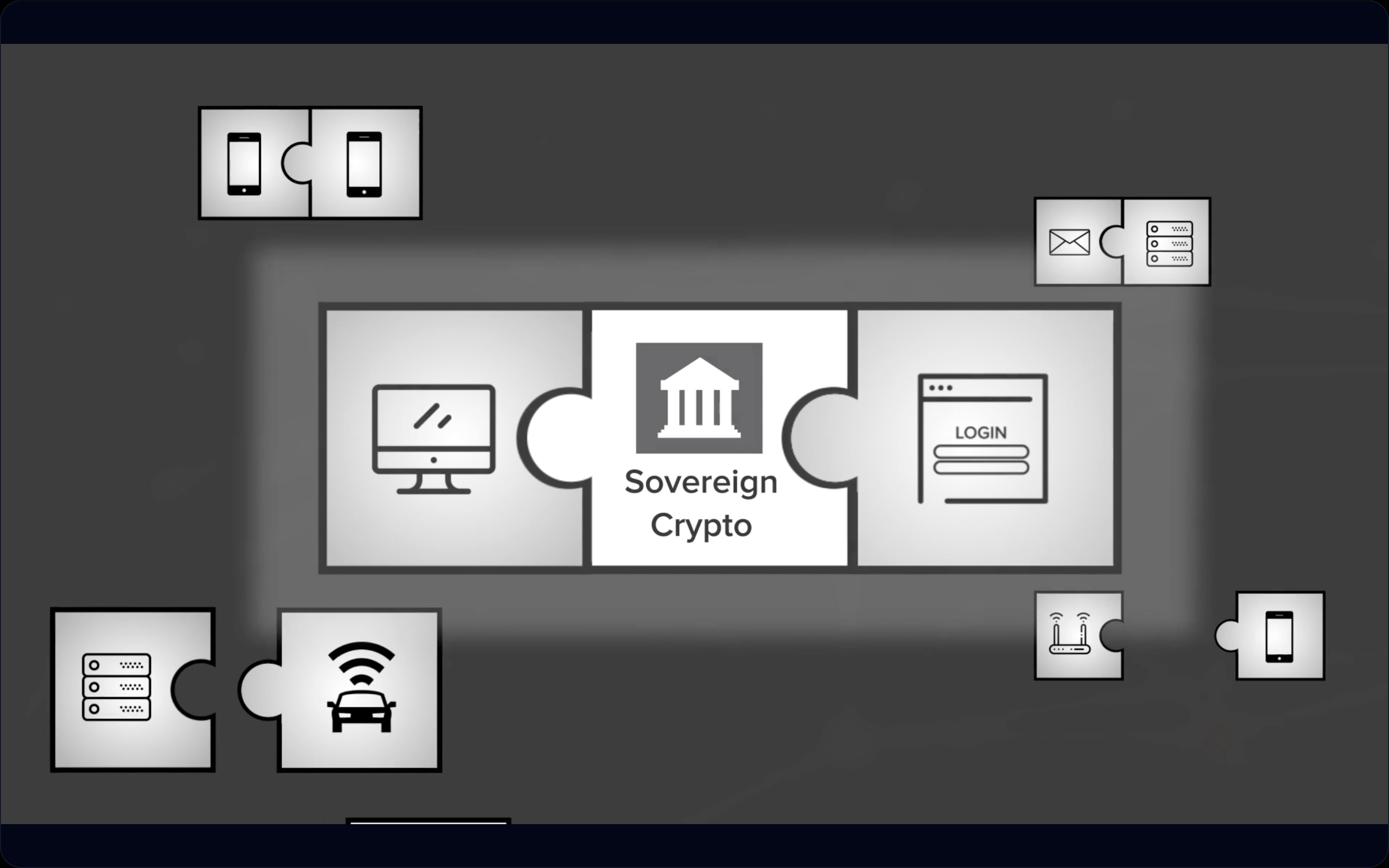
PQC Migration Strategies: Key Considerations
| Phase | Focus Area | Enterprise Action |
|---|---|---|
| Assessment | Inventory crypto assets & risks | Map critical systems & dependencies |
| Hybrid Deployment | Implement ML-KEM & hybrid TLS | Pilot in low-risk environments |
| Full Migration | Replace legacy crypto protocols | Update policies & train staff |
| Continuous Monitoring | Validate post-quantum security | Adapt to evolving threats |
ML-KEM: A Practical Bridge
ML-KEM—the post-quantum hybrid Key Encapsulation Mechanism evaluated by Japan’s CRYPTREC—offers a tested pathway toward secure quantum-era TLS. Its quiet introduction into browsers, documented by Intelligent Living, is a practical example of incremental adoption without disrupting existing workflows.
Enterprises should view ML-KEM not as an abstract academic concept, but as a deployable solution that aligns with current network infrastructures and readiness plans. Hybrid TLS schemes reduce risk by combining classical and quantum-safe algorithms, providing a safeguard while full PQC adoption matures.
Strategic Implications for Security Leaders
CISOs and technical buyers need to integrate lessons from Japan’s progress and the PQC coalition’s roadmap into their security strategies. This means accelerating assessments of cryptographic assets, prioritizing high-risk systems for PQC migration, and allocating resources for hybrid approaches like ML-KEM where appropriate.
Quantum readiness is no longer theoretical; it demands ongoing collaboration among enterprise architects, vendors, and regulators. Staying ahead requires balancing urgency with pragmatic execution—moving swiftly without risking business continuity.
Frequently Asked Questions
What makes ML-KEM essential for quantum-safe migration?
ML-KEM serves as a hybrid key encapsulation mechanism that supports a smooth transition by combining classical and quantum-resistant cryptographic algorithms, reducing risk during phased deployments.
How should enterprises approach migration risk management?
Enterprises should follow a structured roadmap starting with comprehensive asset assessment, progressing through hybrid cryptography pilots, and culminating in full PQC adoption while continuously monitoring security posture.
Why is early action urgent for security leaders?
Legacy cryptography will soon be vulnerable to quantum attacks; delaying migration exposes organizations to future data breaches, compliance issues, and operational disruptions. Early preparation ensures resilience.
Watch The Quantum Threat
Sources And Further Reading
- PQShield Advances Japan's Quantum-Safe Security Transition Through CRYPTREC ML-KEM Evaluation The Manila Times · Apr 3, 2026
- Post-Quantum Cryptography Coalition Unveils PQC Migration Roadmap The Quantum Insider · May 29, 2025
- Post-Quantum Cryptography Coalition Unveils PQC Migration Roadmap The MITRE Corporation · May 28, 2025
- Post-Quantum Hybrid TLS Is Here: How ML-KEM Arrived Quietly in Your Browser Intelligent Living · Sep 15, 2025