In This Article
What This Means
- AT&T Business has set a new standard for enterprise security by launching a post-quantum cryptography (PQC) secure SD-WAN solution powered by Cisco, signaling a pivotal shift in protecting enterprise communications against tomorrow’s quantum threats. This breakthrough underscores the urgent need for CISOs and enterprise architects to rethink legacy cryptographic frameworks, which today resemble fragile tapestries, vulnerable to the looming quantum storm.
- With the quantum era rapidly approaching, enterprises must prioritize transitioning to quantum-safe solutions to safeguard critical infrastructure and data. AT&T’s offering acts as both a leading indicator and practical blueprint for integrating PQC into complex, distributed networks.
- Migration to post-quantum cryptography is not just a technical upgrade but a strategic imperative fraught with risks—from integration challenges to interoperability issues. Security leaders should approach PQC deployment with a disciplined, phased methodology that emphasizes testing and validation at each step.
Quantum Leap in Secure Connectivity
AT&T Business has set a new standard for enterprise security by launching a post-quantum cryptography (PQC) secure SD-WAN solution powered by Cisco, signaling a pivotal shift in protecting enterprise communications against tomorrow’s quantum threats. This breakthrough underscores the urgent need for CISOs and enterprise architects to rethink legacy cryptographic frameworks, which today resemble fragile tapestries, vulnerable to the looming quantum storm.
With the quantum era rapidly approaching, enterprises must prioritize transitioning to quantum-safe solutions to safeguard critical infrastructure and data. AT&T’s offering acts as both a leading indicator and practical blueprint for integrating PQC into complex, distributed networks.
Understanding Migration Risks and Readiness
Migration to post-quantum cryptography is not just a technical upgrade but a strategic imperative fraught with risks—from integration challenges to interoperability issues. Security leaders should approach PQC deployment with a disciplined, phased methodology that emphasizes testing and validation at each step.
Recent industry coalition efforts have produced comprehensive migration roadmaps, emphasizing incremental adoption and vendor collaboration to reduce operational disruption while future-proofing security architectures.
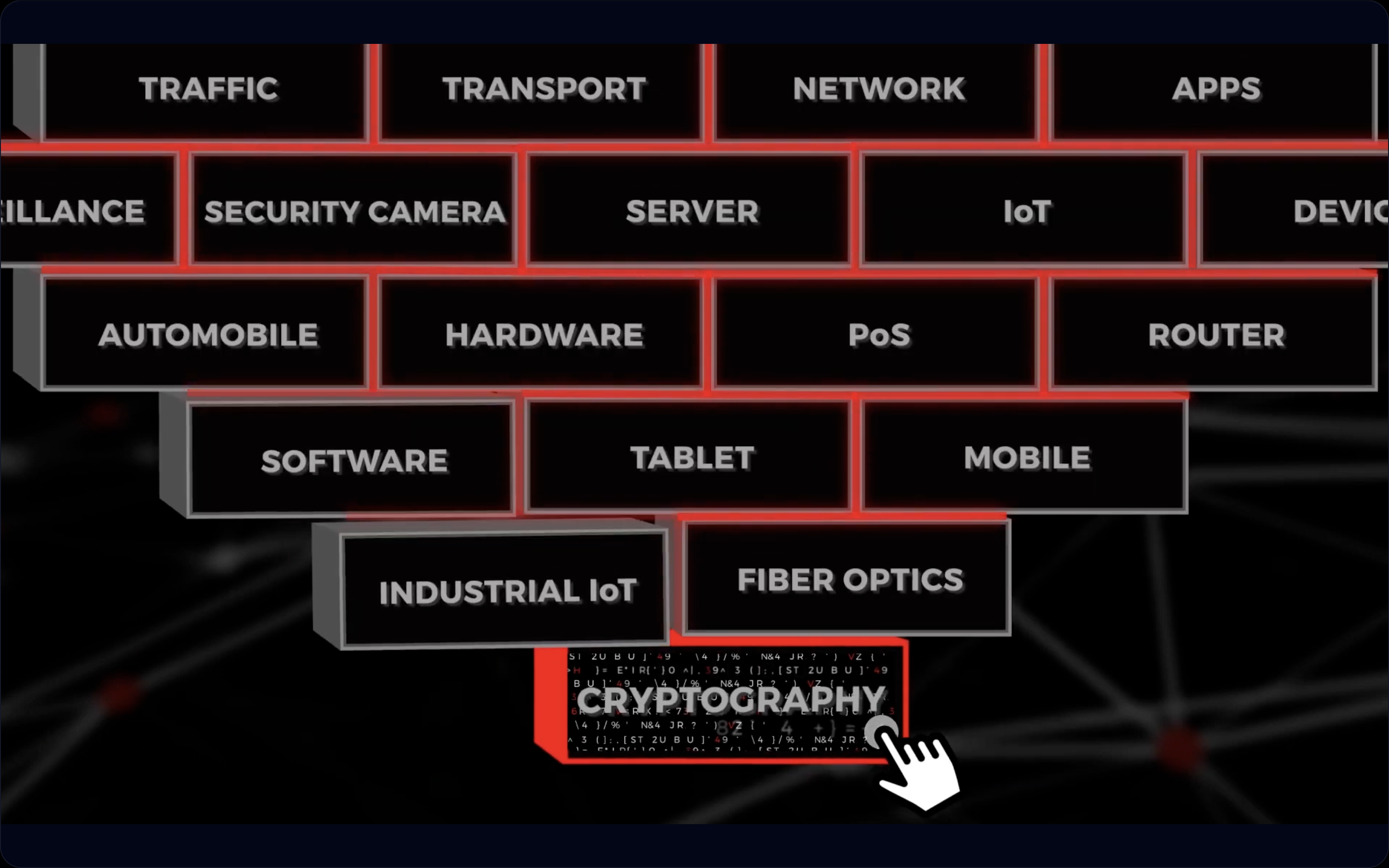
Comparing Post-Quantum Cryptography Deployment Options
| Solution Type | Advantages | Considerations |
|---|---|---|
| Vendor-Powered PQC SD-WAN | Turnkey integration; standard compliance | Vendor lock-in risk; higher initial cost |
| In-House PQC Migration | Customizable; full control | Requires deep PQ expertise; longer timelines |
| Hybrid Models | Balanced control and support | Complex governance; dual management |
| Legacy Crypto with PQC Layer | Incremental upgrade; risk mitigation | Added complexity; potential performance impact |
Strategic Partnering with Technology Leaders
The collaboration between AT&T and Cisco exemplifies the power of aligning with technology leaders driving post-quantum innovation. Leveraging Cisco’s expertise in PQC standards, alongside AT&T’s vast network infrastructure, provides enterprises with an end-to-end solution that is battle-tested and scalable.
This approach allows security teams to focus on governance and risk management, confident that the underlying cryptographic mechanisms meet emerging standards and compliance benchmarks.
Practical Steps for Enterprise Teams
Enterprise architects and security teams should start by conducting a thorough risk assessment focused on quantum vulnerabilities within existing deployments. From there, prioritizing high-value assets for PQC migration ensures efficient allocation of resources.
Engagement with vendors offering standardized, tested post-quantum cryptographic solutions—such as AT&T’s new secure SD-WAN—should be coupled with internal training and updated incident response plans aligned to post-quantum security paradigms.
Frequently Asked Questions
Why is post-quantum cryptography critical for enterprises now?
The rise of quantum computing threatens to break current encryption standards, putting enterprise data and networks at risk. Early adoption of PQC prepares organizations to withstand future quantum attacks.
What are the main challenges in migrating to PQC solutions?
Organizations face technical integration, interoperability, and performance challenges. A phased approach with industry-standard solutions helps mitigate these risks effectively.
How does the AT&T and Cisco solution help in practical PQC deployment?
Their collaboration delivers a fully integrated secure SD-WAN that embeds standardized PQC, simplifying deployment and providing robust protection aligned with emerging security frameworks.
Watch The Quantum Threat
Sources And Further Reading
- Preparing for The Quantum Era: AT&T Business Debuts Post-Quantum Cryptography Secure SD-WAN, Powered by Cisco AT&T Newsroom · May 11, 2026
- Top Post-Quantum Cryptography Companies and NIST PQC Standards Guide Quantum Zeitgeist · May 8, 2026
- BTQ Technologies Demonstrates Quantum-Safe Bitcoin Using NIST Standardized Post-Quantum Cryptography, Protecting $2+ Trillion Market at Risk PR Newswire · Oct 16, 2025
- Post-Quantum Cryptography Coalition Unveils PQC Migration Roadmap The Quantum Insider · May 29, 2025