In This Article
What This Means
- Bridging the PQC Production Gap with Hybrid Approaches
- Enterprise Implications of Hybrid-By-Default PQC Integration
- How QuantumGenie Fits into Hybrid PQC Migration
Bridging the PQC Production Gap with Hybrid Approaches
The ever-present threat posed by quantum computers mandates that enterprises urgently transition to post-quantum cryptography (PQC) — cryptographic algorithms designed to withstand quantum attacks. However, a significant obstacle lies in practical implementation: how to integrate quantum-resistant algorithms into existing systems with minimal disruption and risk. Recent research introduced the ‘quantum-safe’ Python library employing a hybrid-by-default design that combines classical and post-quantum algorithms seamlessly. This approach enables enterprise environments to incrementally add quantum-safe protections without abandoning proven legacy cryptography outright, easing transition pain and reducing production risk.
Enterprise Implications of Hybrid-By-Default PQC Integration
For CISOs and enterprise architects, the hybrid-by-default methodology represents an operationally realistic pathway to begin PQC adoption. Rather than risky, rip-and-replace strategies, hybrid solutions allow organizations to retain trusted classical cryptography while layering on quantum-resistant algorithms. This dual approach ensures fallback safety and facilitates gradual migration, crucial in complex, heterogeneous enterprise infrastructures. Operational controls must, however, extend beyond cryptographic algorithms to include comprehensive discovery, risk prioritization, and compliance tracking across the IT estate — without which hybrid PQC integration risks becoming chaotic and incomplete.
Comparing PQC Migration Approaches
| Migration Strategy | Description | Enterprise Benefit |
|---|---|---|
| Rip-and-Replace | Complete substitution of classical algorithms with PQC | Maximal quantum safety, clear endpoint |
| Hybrid-by-Default | Simultaneous use of classical and PQC algorithms | Incremental adoption, fallback safety |
| Deferred Adoption | Postpone switching until PQC matures | Reduces immediate cost |
How QuantumGenie Fits into Hybrid PQC Migration
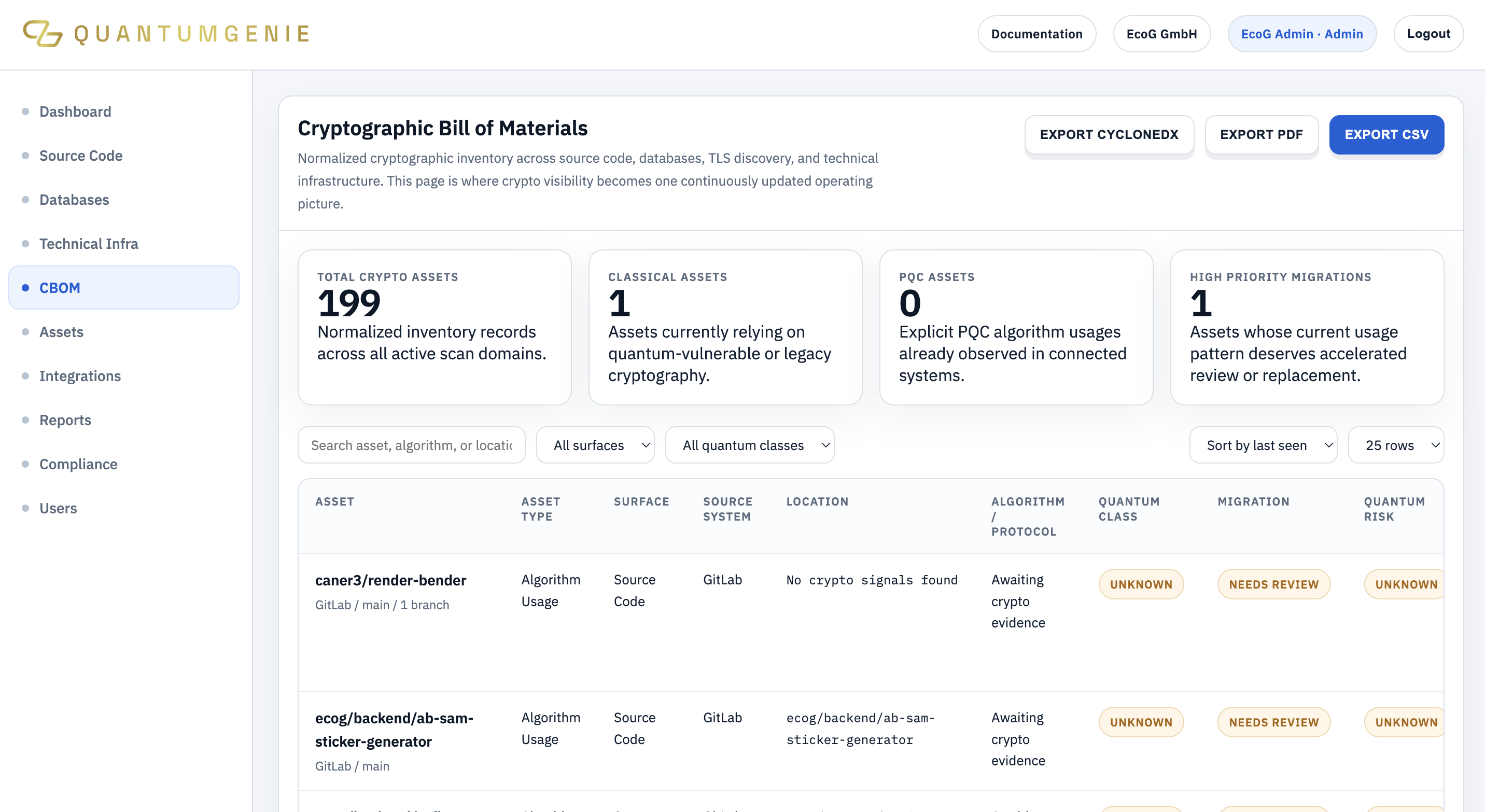
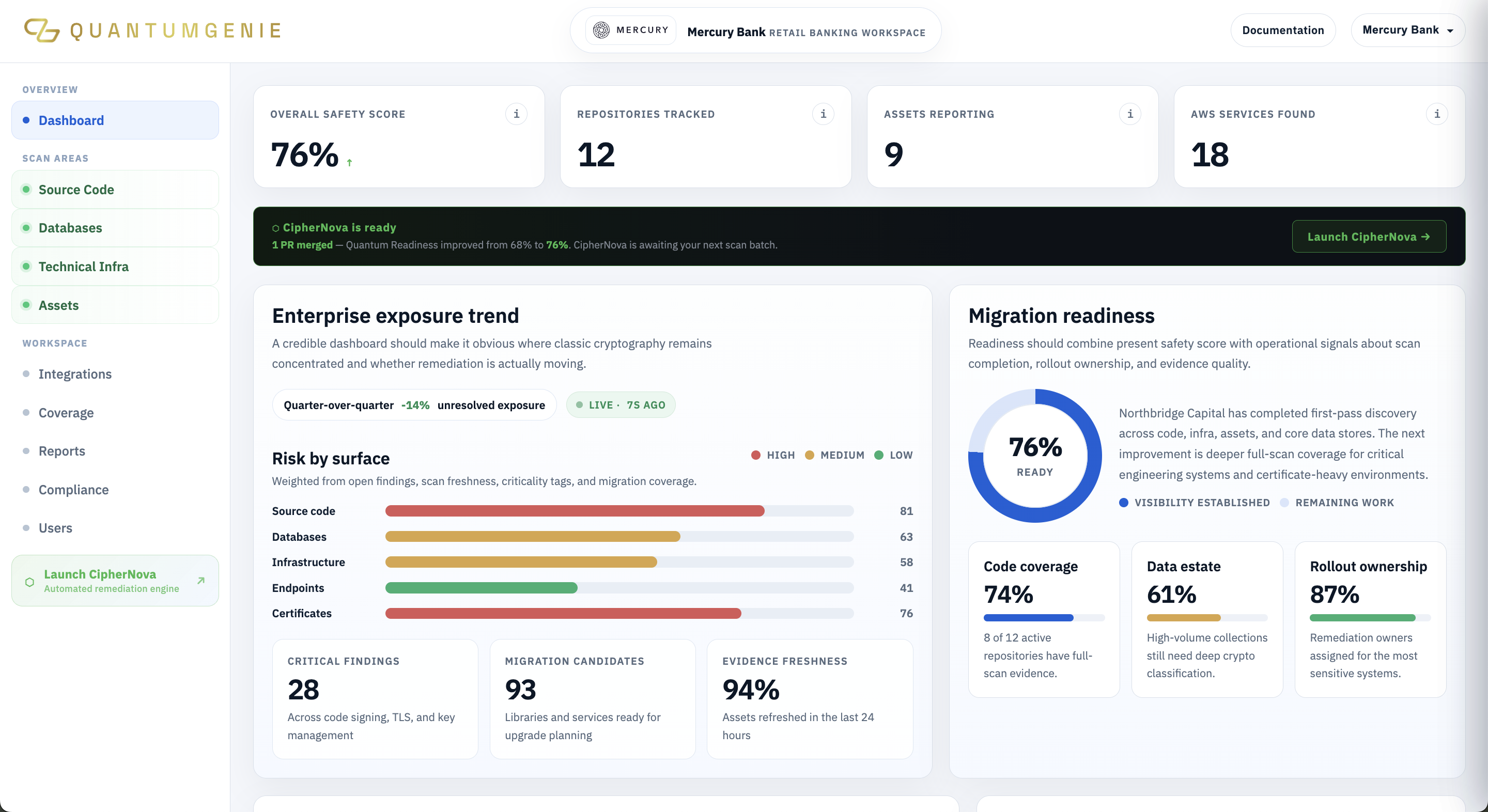
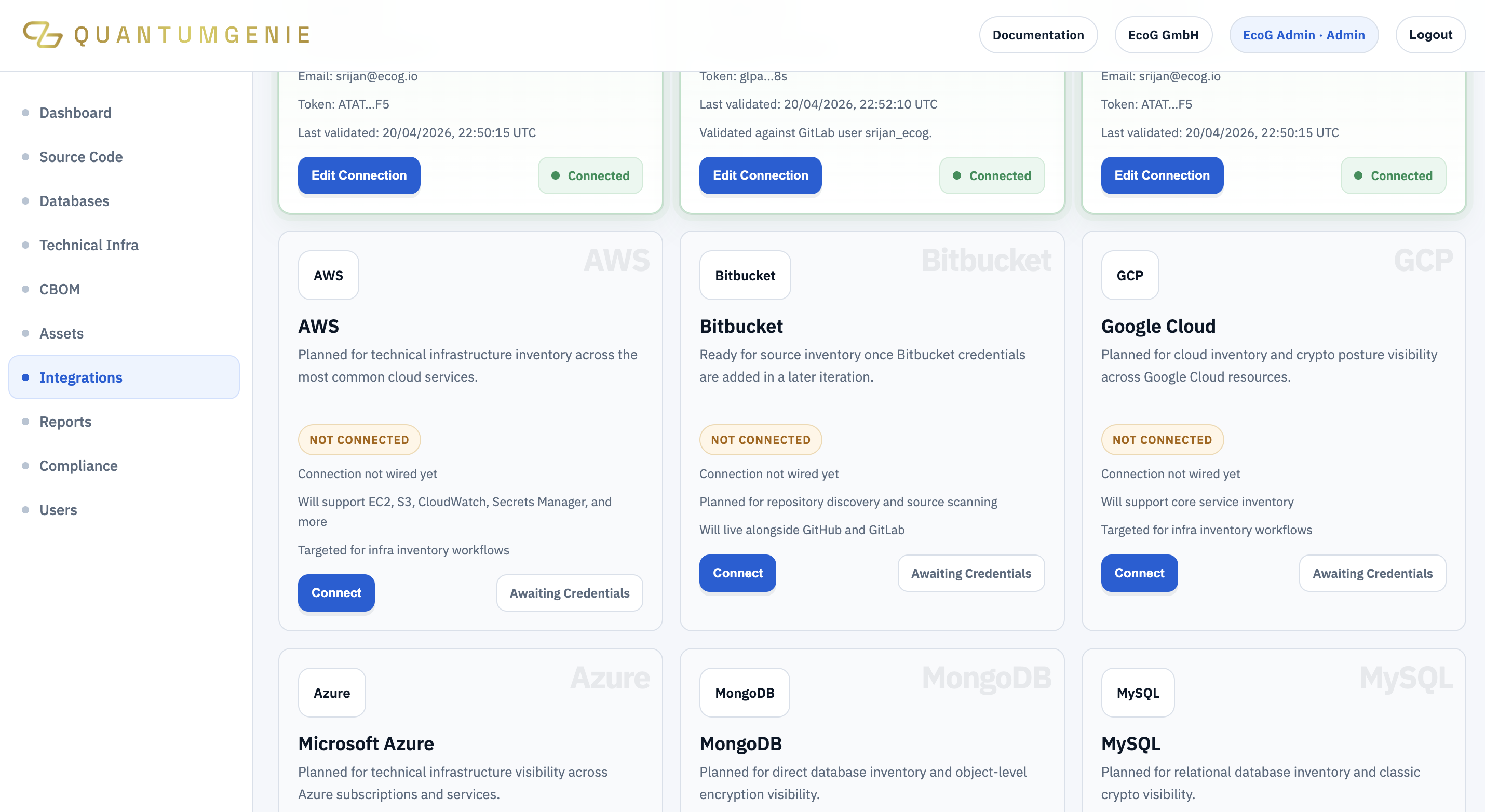
QuantumGenie complements hybrid PQC approaches by providing the essential discovery and orchestration layer enterprises require for effective migration. Its CipherScan capability delivers broad inventory visibility across codebases, certificates, applications, and infrastructure, identifying where cryptography resides and highlighting exposure risks. Complementarily, CipherNova drives remediation workflows, enabling prioritized migration efforts, policy enforcement, and detailed audit trails for compliance. In the context of hybrid PQC introduction, QuantumGenie ensures that newly integrated quantum-safe algorithms are tracked, tested, and governed — paving the way for smoother, more accountable post-quantum readiness.
Frequently Asked Questions
What is a hybrid-by-default approach in PQC?
It means combining classical cryptographic algorithms with post-quantum ones during encryption processes, allowing incremental adoption of PQC without fully replacing existing systems.
How can enterprises ensure comprehensive PQC migration?
By implementing visibility tools to inventory cryptographic assets, prioritizing migration based on risk, and using workflow orchestration to manage remediation — all functions supported by platforms like QuantumGenie.