
In This Article
What This Means
- SEALSQ’s portfolio of 126 active patents, highlighted in a recent Yahoo Finance report, arrives at a pivotal moment for enterprises planning their quantum security strategy. As organizations race against Google’s 2029 post-quantum cryptography (PQC) migration timeline, these patents represent more than just intellectual property—they embody a toolkit that can reduce migration risk and accelerate practical execution.
- Legacy cryptography is like an old bridge: once strong but increasingly fragile under the weight of emerging quantum threats. SEALSQ’s technologies promise to help enterprises build a new, robust structure capable of withstanding the quantum storm.
- Google’s announcement of 2029 as a hard deadline for PQC adoption signals a clear timeline for security leaders and technical buyers. The urgency goes beyond theory; quantum computers will soon be capable of breaking traditional encryption, putting sensitive enterprise data at risk.
SEALSQ’s Patent Portfolio: A Game-Changer for Quantum Migration
SEALSQ’s portfolio of 126 active patents, highlighted in a recent Yahoo Finance report, arrives at a pivotal moment for enterprises planning their quantum security strategy. As organizations race against Google’s 2029 post-quantum cryptography (PQC) migration timeline, these patents represent more than just intellectual property—they embody a toolkit that can reduce migration risk and accelerate practical execution.
Legacy cryptography is like an old bridge: once strong but increasingly fragile under the weight of emerging quantum threats. SEALSQ’s technologies promise to help enterprises build a new, robust structure capable of withstanding the quantum storm.
The 2029 Quantum Deadline: Why It Matters Now
Google’s announcement of 2029 as a hard deadline for PQC adoption signals a clear timeline for security leaders and technical buyers. The urgency goes beyond theory; quantum computers will soon be capable of breaking traditional encryption, putting sensitive enterprise data at risk.
Staying ahead means preparing migration strategies today. Enterprises must understand the roadmap and identify solutions that align with long-term quantum safety, minimizing disruption while ensuring compliance and resilience.
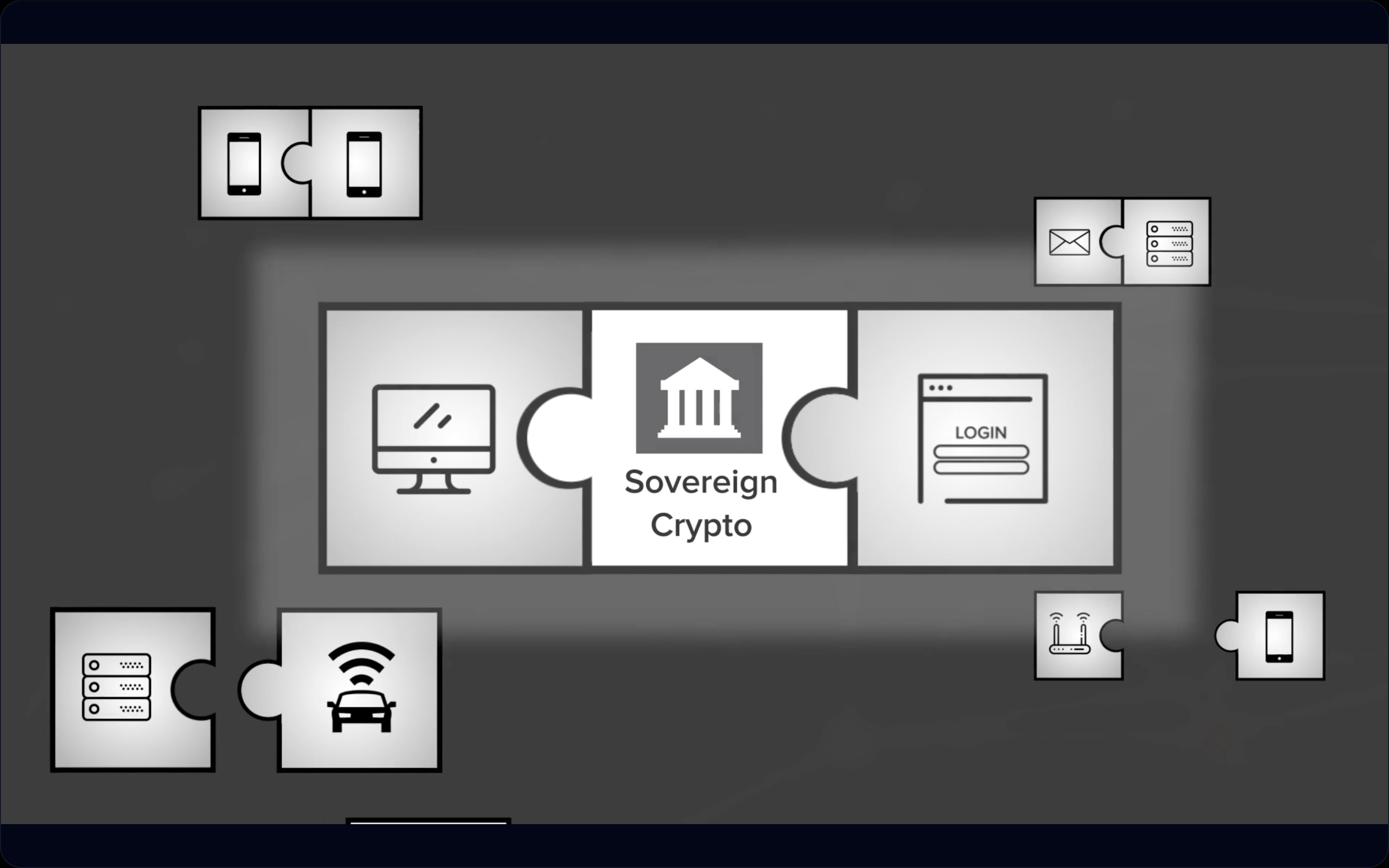
Post-Quantum Migration Essentials
| Aspect | Enterprise Impact | Recommended Action |
|---|---|---|
| Patent-backed Tech | Reduces migration risk | Leverage SEALSQ’s portfolio |
| Migration Timeline | 2029 PQC deadline | Plan phased rollout now |
| Legacy Systems | Vulnerable to quantum | Audit and prioritize upgrades |
| Collaboration | Industry-wide standards | Engage coalitions early |
Practical Steps for Enterprise Teams
Transitioning to post-quantum cryptography is not a single event but a phased journey. Enterprise architects and CISOs should prioritize audits of current crypto assets, risk assessments tied to quantum threats, and integration plans based on proven patent-backed technologies like those from SEALSQ.
This approach facilitates smoother migration, reduces unforeseen costs, and supports alignment with industry coalitions and standards shaping the migration roadmap.
Industry Momentum and Coalition Efforts
The post-quantum cryptography coalition has recently unveiled a comprehensive migration roadmap, emphasizing collaboration between government, industry, and academia. SEALSQ’s patents position enterprises to benefit from such ecosystem advancements.
Early movers in the blockchain space, like Ethereum and Solana, underscore the advantage of proactive quantum readiness, offering useful lessons for traditional enterprises to act before the deadline.
Frequently Asked Questions
Why is Google’s 2029 PQC deadline important for enterprises?
It establishes a clear target for migrating to quantum-safe cryptography, ensuring data remains protected as quantum computers become capable of breaking legacy encryption.
How can SEALSQ’s patents help in the migration process?
SEALSQ’s portfolio provides proven, patent-backed cryptographic technologies that reduce risk and accelerate practical implementation in enterprise environments.
What practical steps should security teams take now?
Security teams should audit existing cryptography, assess quantum exposure risks, and develop phased migration plans incorporating technologies aligned with industry roadmaps.
Watch The Quantum Threat
Sources And Further Reading
- SEALSQ Patent Portfolio of 126 Active Patents Ideally Positioned to Meet Market Demand Following Google’s 2029 Post-Quantum Cryptography Migration Timeline Announcement Yahoo Finance · Apr 28, 2026
- Why 2026 Matters for Quantum Security The Quantum Insider · Apr 28, 2026
- Google Sets 2029 Quantum Deadline as Ethereum and Solana Move First CoinMarketCap · Apr 28, 2026
- Post-Quantum Cryptography Coalition Unveils PQC Migration Roadmap The Quantum Insider · May 29, 2025