In This Article
What This Means
- Centralized Governance: The Key to Sustainable Crypto-Agility
- Why Automation and Software-Defined Policies Matter in the Post-Quantum Era
- How QuantumGenie Fits in Realizing Software-Defined Cryptography for Enterprises
Centralized Governance: The Key to Sustainable Crypto-Agility
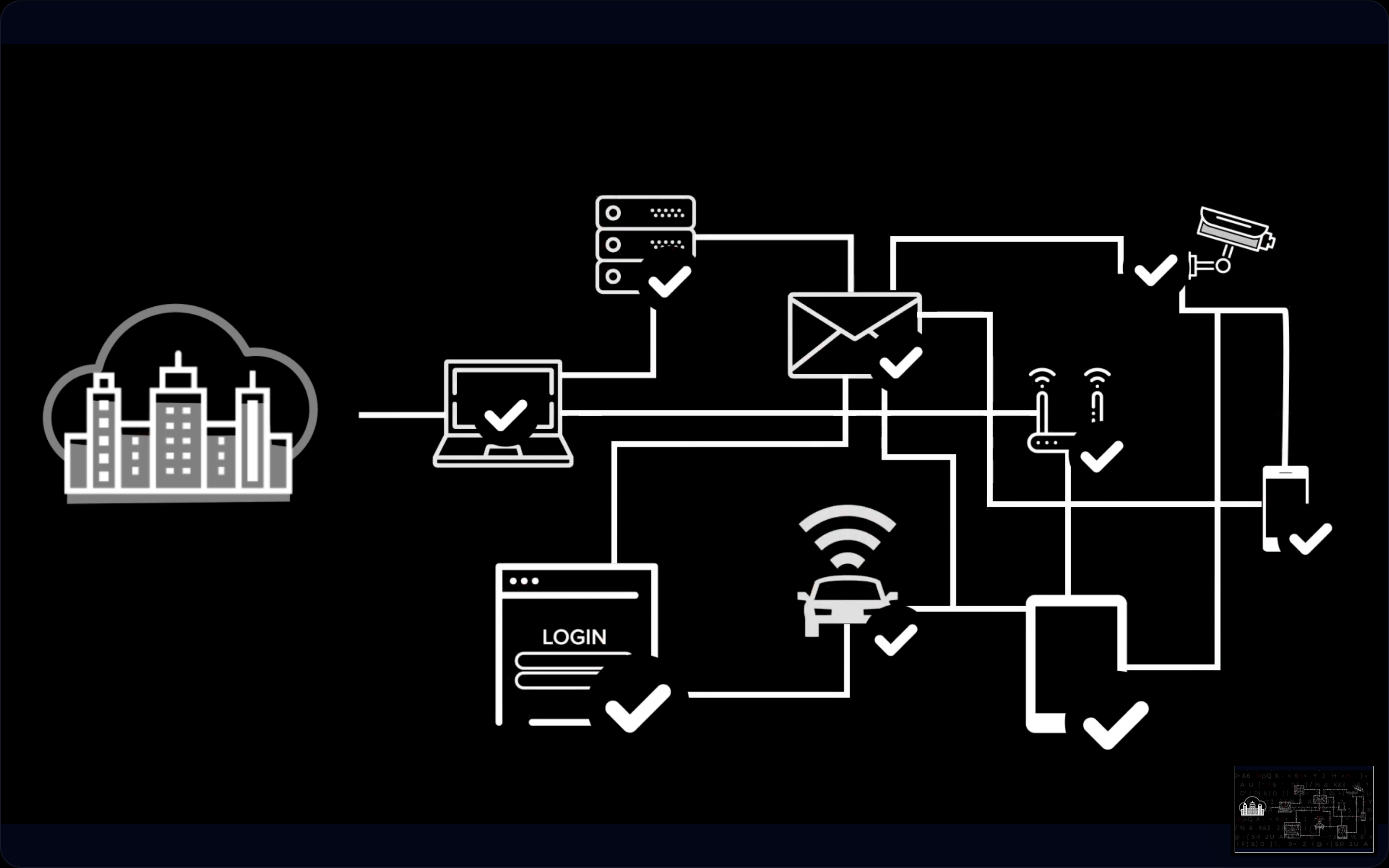
As enterprises face the accelerating imperative to migrate toward post-quantum cryptography, achieving true cryptographic agility— the ability to swiftly adapt cryptographic algorithms and policies— has emerged as a critical bottleneck. The research outlined in the April 2024 arXiv paper on software-defined cryptography introduces a compelling approach centered on centralized governance. By defining cryptographic policies centrally and enforcing them across diverse infrastructure components automatically, organizations can reduce fragmentation and errors that typically plague manual crypto updates.
This effectively transforms cryptography from a static, embedded element into a dynamic infrastructure component that can evolve as new quantum-safe algorithms and standards emerge. For enterprises managing complex, sprawling cryptographic estates across certificates, applications, and embedded systems, this paradigm shift enables a more coherent and controlled migration to post-quantum cryptography.
Why Automation and Software-Defined Policies Matter in the Post-Quantum Era
Manual cryptographic updates pose high risks and operational overheads, delaying migration programs and increasing exposure windows. The software-defined cryptography model advocates automating cryptographic policy enforcement and audit through software layers that can orchestrate policy changes and verify compliance. This approach not only accelerates key rotation and algorithm swaps but also supports documentation and evidence gathering required for compliance frameworks.
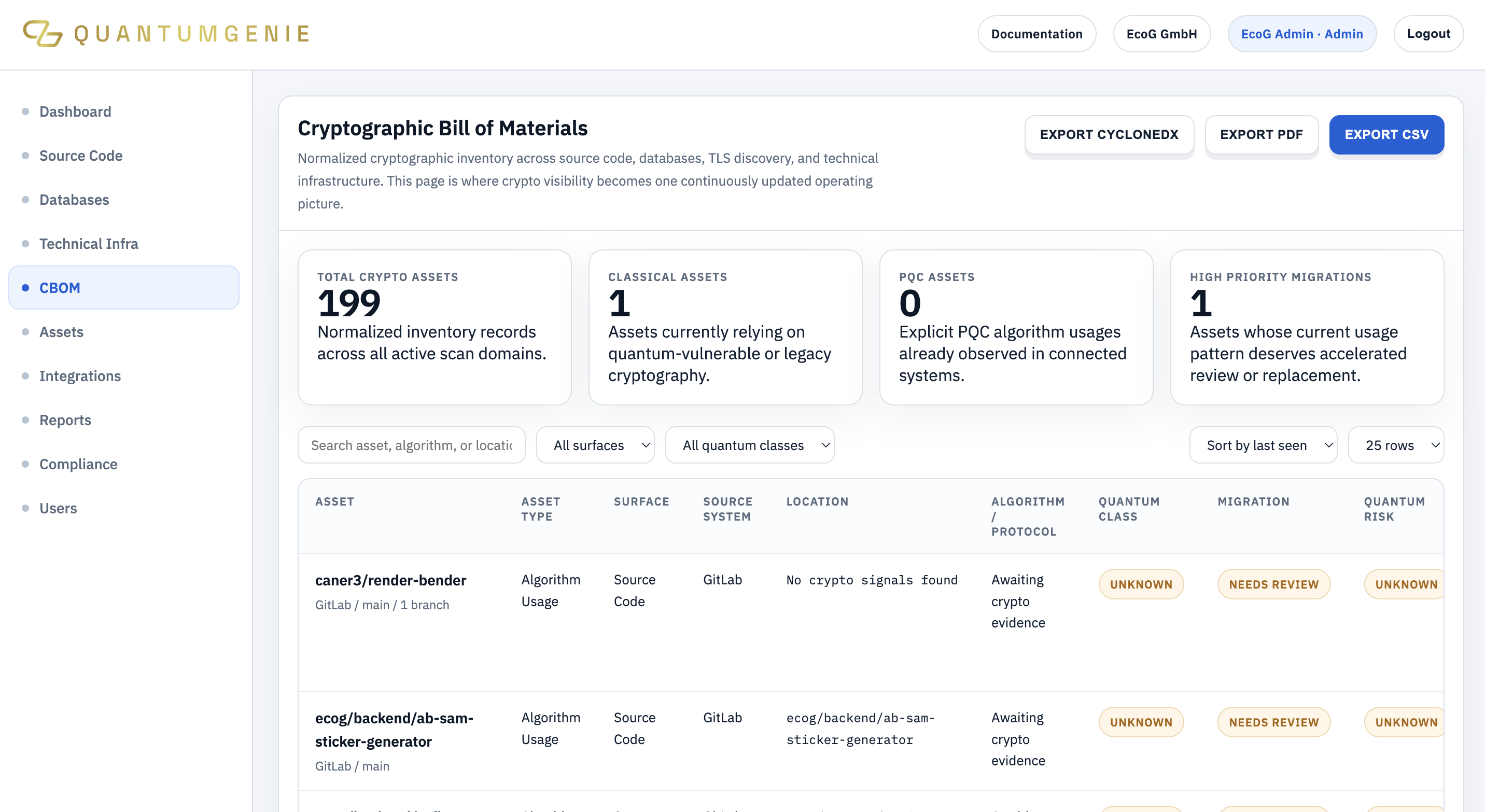
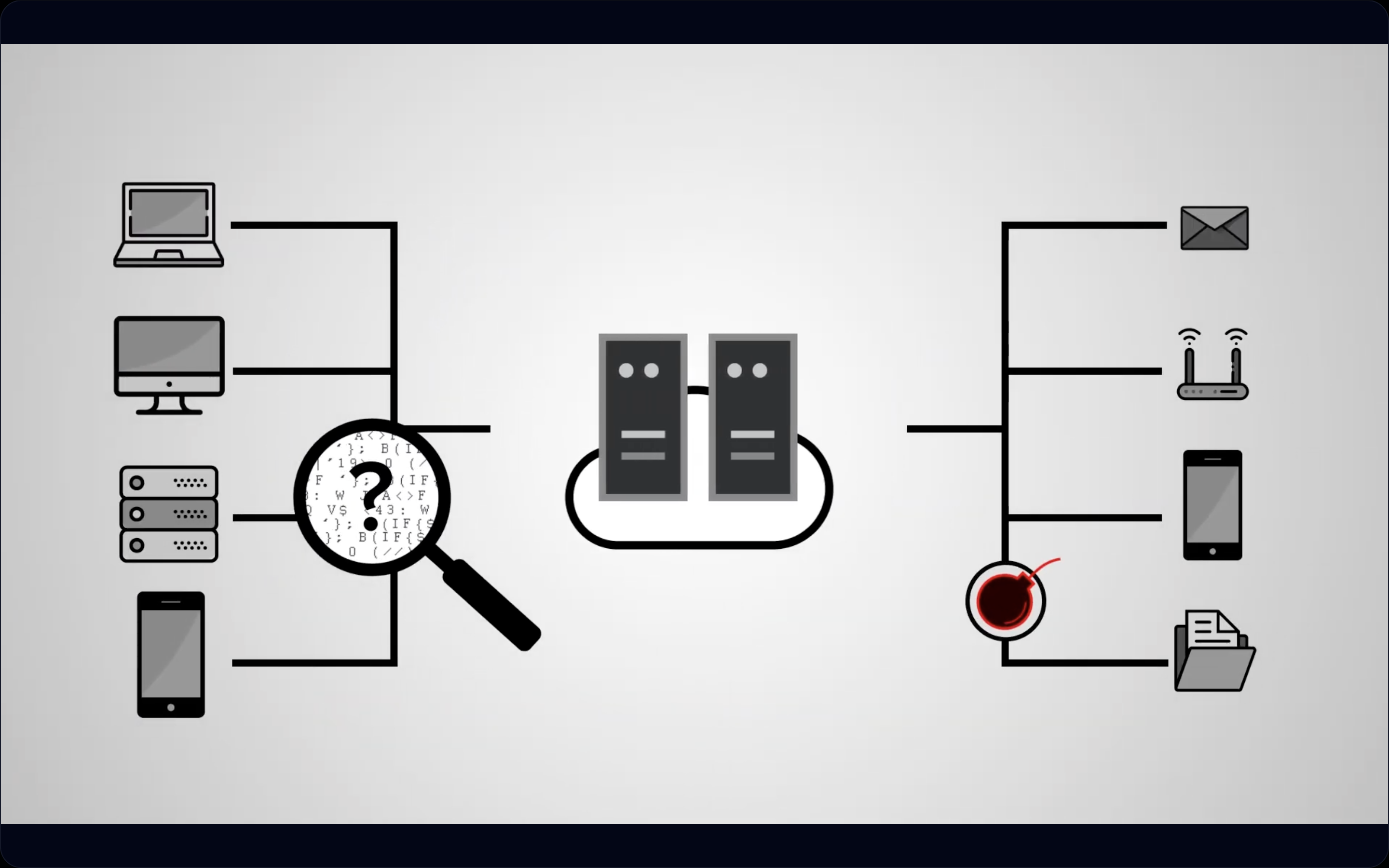
Coupling these capabilities with discovery mechanisms that map out all cryptographic assets ensures enterprises are not flying blind during migration. This dovetails closely with existing best practices such as building a cryptographic inventory and continuous monitoring but enhances them with an operational fabric that can react programmatically.
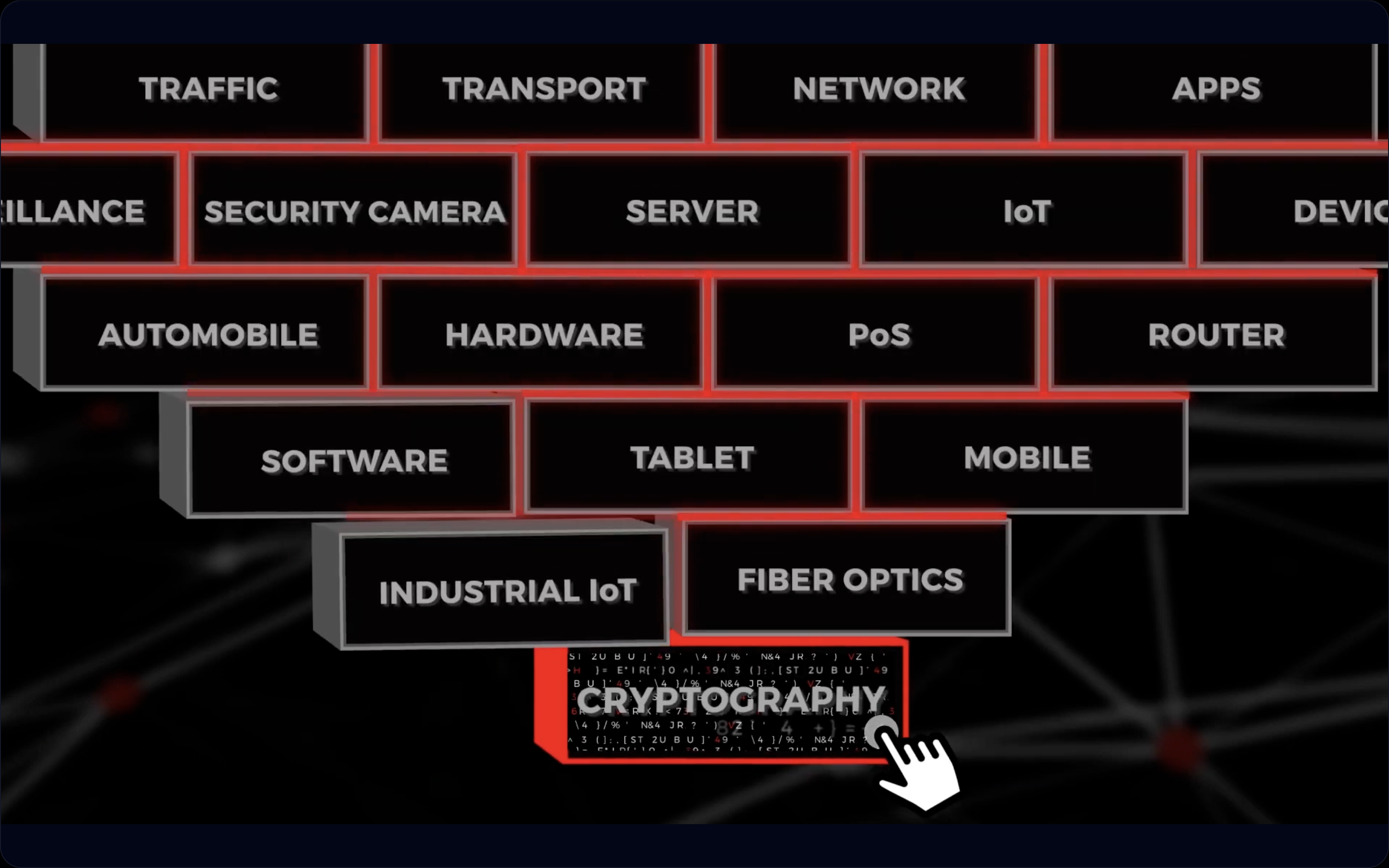
Core Concepts of Software-Defined Cryptography vs. Traditional Cryptography Management
| Aspect | Traditional Cryptography Management | Software-Defined Cryptography |
|---|---|---|
| Governance | Decentralized, manual policy updates | Centralized policy definition and automated enforcement |
| Discovery | Fragmented, incomplete asset visibility | Comprehensive cryptographic inventory across enterprise |
| Policy Enforcement | Manual updates prone to delays and errors | Automated orchestration and compliance verification |
| Adaptability | Slow, heavy operational burden | Dynamic, programmatic algorithm and key replacement |
How QuantumGenie Fits in Realizing Software-Defined Cryptography for Enterprises
QuantumGenie’s platform uniquely aligns with the software-defined cryptography vision by bridging the discovery, governance, and operational layers. Its CipherScan component uncovers cryptographic deployments across websites, certificates, source code, infrastructure, and applications, creating an exhaustive cryptographic inventory essential for centralized governance.
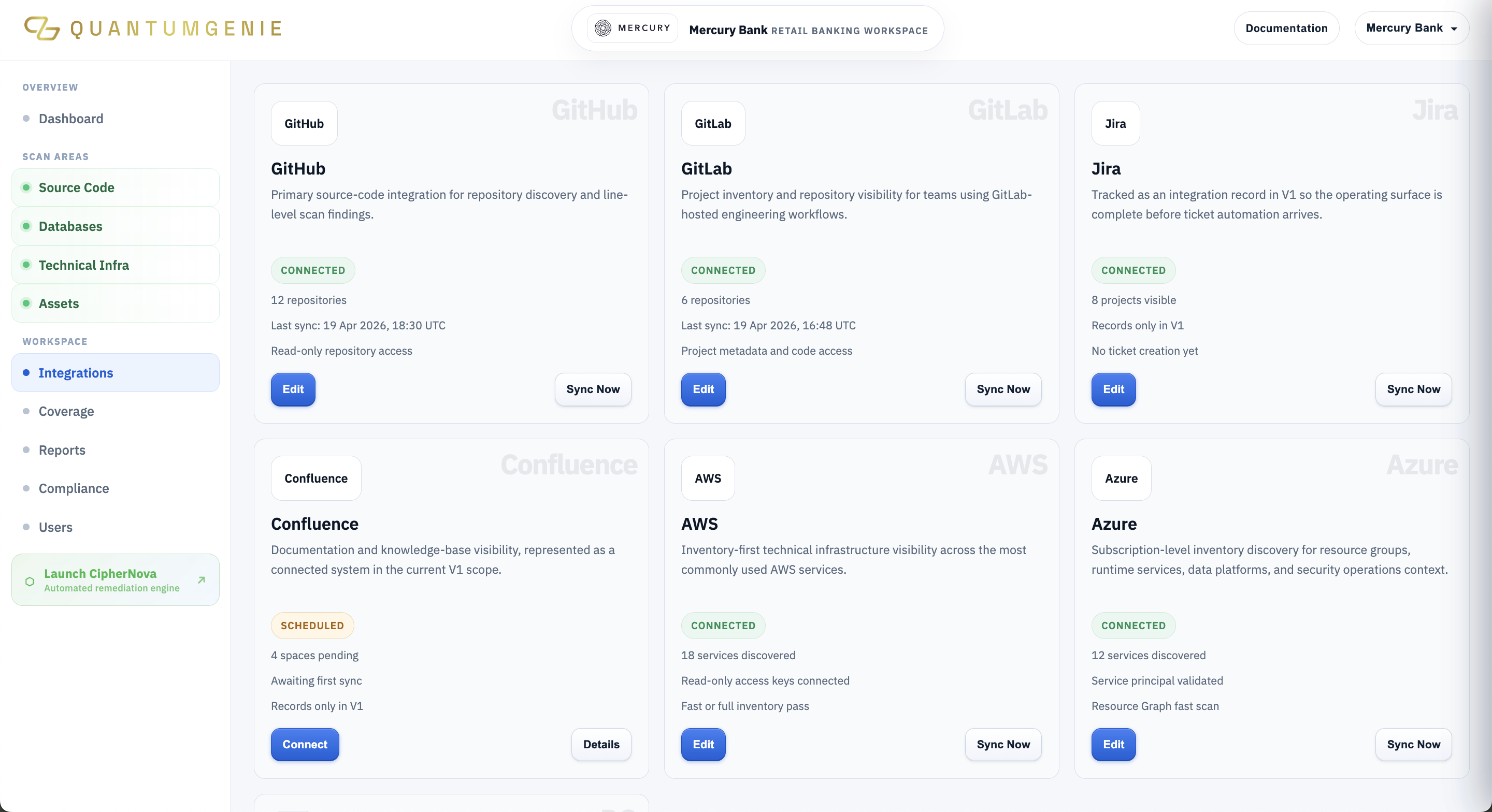
On the remediation side, CipherNova enables enterprises to implement policy-driven, workflow-managed changes with automation checkpoints, pull-request orchestration, and verification. This aligns perfectly with the paper’s emphasis on automating enforcement and continuous compliance. For CISOs and enterprise architects, QuantumGenie offers a practical infrastructure to map software-defined cryptography concepts into usable operational controls, accelerating post-quantum migration while managing risk and compliance readiness.
Frequently Asked Questions
What is software-defined cryptography and why is it important for enterprises?
Software-defined cryptography is an approach where cryptographic policies and algorithm management are centralized and automated through software layers, enabling rapid adaptation to new security requirements such as post-quantum algorithms. This is important for enterprises because it reduces manual errors, accelerates migration, and strengthens compliance and risk management.
How does QuantumGenie help enterprises implement software-defined cryptography?
QuantumGenie provides tools for comprehensive cryptographic discovery via CipherScan and automated remediation orchestration through CipherNova, enabling centralized cryptographic inventory management, policy enforcement automation, and risk-informed migration workflows that embody software-defined cryptography principles.
Watch The Quantum Threat
Sources And Further Reading
- Software-Defined Cryptography: A Design Feature of Cryptographic Agility arXiv · Apr 2, 2024
- Post-Quantum Cryptography and Quantum-Safe Security: A Comprehensive Survey arXiv · Oct 12, 2025