In This Article
What This Means
- NIST Standards Mark a Quantum Leap in Cryptography
- Enterprise Implications: From Planning to Risk Prioritization
- Wie QuantumGenie passt: Von Entdeckung bis zur Migration nach Standard
NIST Standards Mark a Quantum Leap in Cryptography
In a landmark development reported by TechCrunch, NIST has published the first official post-quantum cryptographic standards, including novel algorithms such as ML-KEM, ML-DSA, and SLH-DSA. This formal standardization provides enterprises with a clear foundation to compare, evaluate, and begin integrating quantum-resistant algorithms into their security architectures. The availability of recognized standards ends the experimental phase and initiates the era of widespread adoption planning and compliance preparedness.
Enterprise Implications: From Planning to Risk Prioritization
The establishment of standards is more than a technical milestone; it delivers a critical market signal that organizations must act now to inventory their cryptographic assets and prepare for migration. Supporting stories such as Apple's rollout of PQ3 encryption for iMessage highlight growing adoption of PQC in real-world applications, underscoring the urgency for enterprises to address 'harvest now, decrypt later' threats. Conversely, the misuse of 'post-quantum' hype by ransomware groups serves as a reminder that cryptographic claims must be verified and enterprises should ensure their PQC initiatives are grounded in vetted standards to avoid security gaps.

Key Aspects of Enterprise Post-Quantum Cryptography Migration
| Aspect | Details | QuantumGenie Role |
|---|---|---|
| Standards Readiness | NIST-approved algorithms provide a migration target | Aligns cryptographic inventory with standard-compliant algorithms |
| Cryptographic Inventory | Discovery across certificates, code, infrastructure | Comprehensive CBOM with CipherScan |
| Risk Prioritization | Identifying high-impact cryptographic dependencies | Automated risk scoring and prioritization |
| Remediation Workflow | Orchestration of migration and policy enforcement | Change review, pull request automation via CipherNova |
Wie QuantumGenie passt: Von Entdeckung bis zur Migration nach Standard
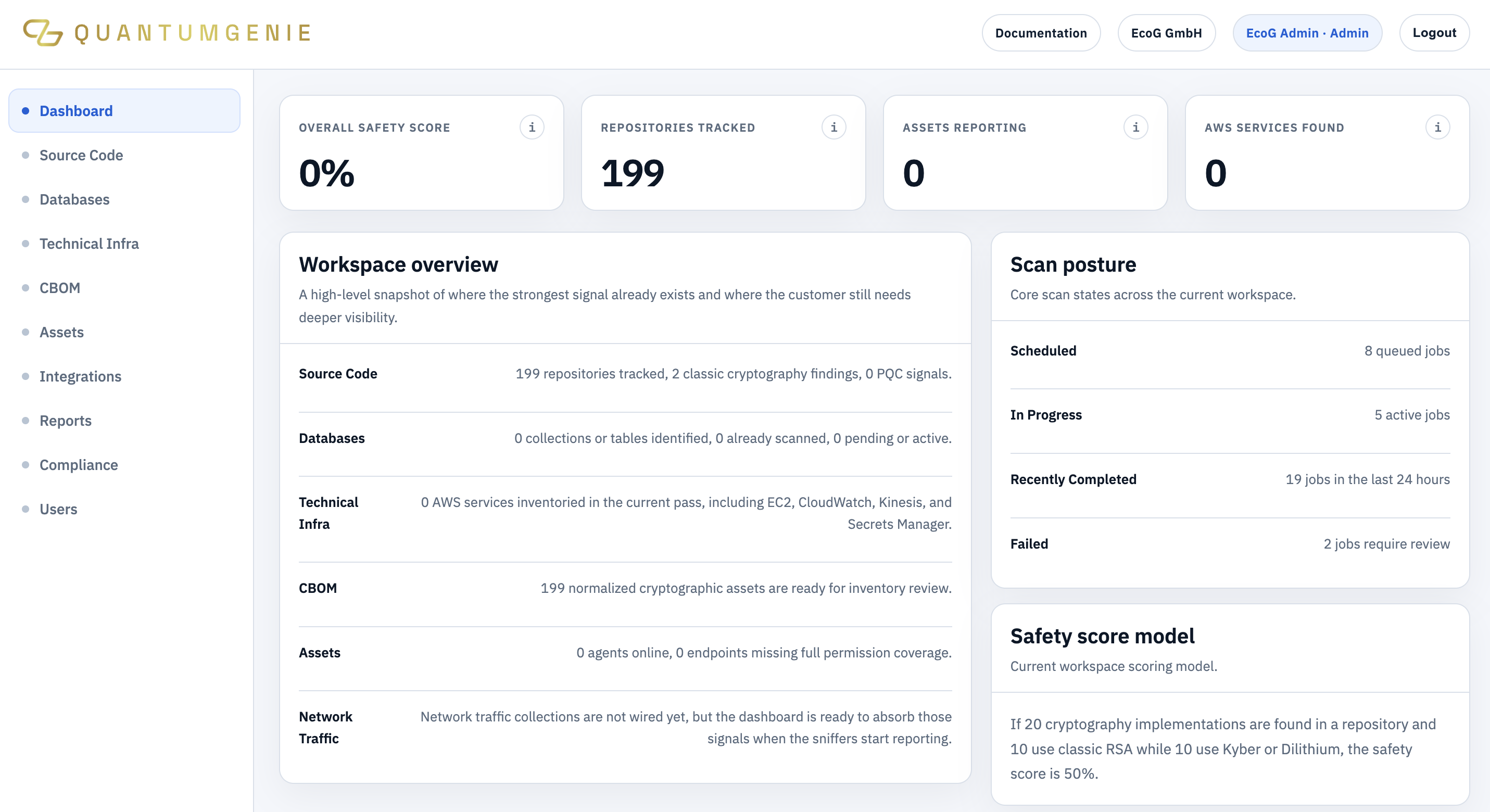
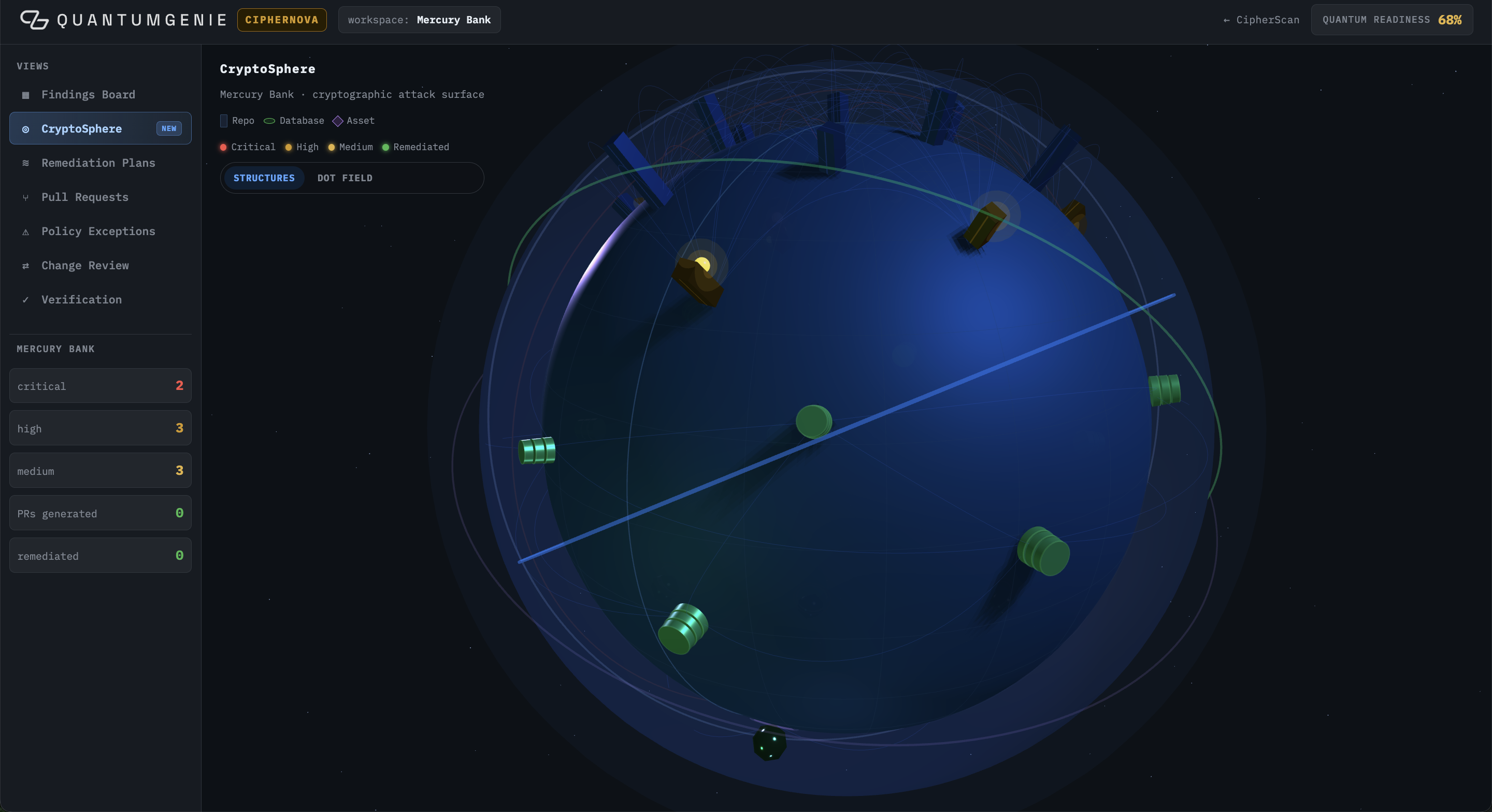
QuantumGenie is uniquely positioned to guide enterprises through this transformative phase. As organizations absorb and operationalize NIST's PQC standards, QuantumGenie's CipherScan enables comprehensive discovery and classification of cryptographic exposure across assets, creating an authoritative cryptographic bill of materials (CBOM). Coupled with CipherNova’s workflow-driven remediation capabilities, QuantumGenie facilitates prioritized risk mitigation and seamless, auditable migration aligned with newly formalized PQC protocols. This integrated approach ensures enterprises not only comply with standards but also gain operational resilience against quantum-era threats.
Frequently Asked Questions
Why are NIST’s post-quantum standards critical for enterprises?
They provide vetted, industry-recognized algorithms that enterprises can confidently adopt, reducing uncertainty and streamlining migration and compliance efforts.
How does QuantumGenie help prepare for 'harvest now, decrypt later' attacks?
By enabling full cryptographic inventory and prioritizing vulnerable assets, QuantumGenie helps organizations identify and remediate cryptographic weaknesses before they can be exploited by future quantum-enabled adversaries.
Watch The Quantum Threat
Sources And Further Reading
- The First Post-Quantum Cryptography Standards Are Here TechCrunch · Aug 13, 2024
- Apple Unveils PQ3 Post-Quantum Encryption for iMessage TechTarget · Feb 21, 2024
- Ransomware Groups Exploit 'Post-Quantum' Hype to Intimidate Victims TechSpot · Apr 24, 2026