In This Article
What This Means
- Understanding the Impending Quantum Threat and NIST Guidance
- Enterprise Challenges: From Discovery to Strategic Migration
- How QuantumGenie Fits into the Enterprise PQC Puzzle
Understanding the Impending Quantum Threat and NIST Guidance
The accelerating development of quantum computing poses an unprecedented risk to current cryptographic systems widely used in enterprises. Quantum algorithms threaten to break traditional public-key methods, necessitating an urgent transition to quantum-resistant standards. A recent in-depth analysis from Cyber Technology Insights comprehensively outlines the quantum threat landscape and the NIST-approved post-quantum cryptography algorithms that will form the foundation of quantum-safe security. Crucially, the report goes beyond theory to provide actionable recommendations for organizations to prepare effectively for this cryptographic upheaval.
NIST's selection of algorithms such as CRYSTALS-Kyber for key encapsulation and CRYSTALS-Dilithium for digital signatures sets the technical baseline. However, the enterprise challenge lies not only in adopting these algorithms but in understanding where and how cryptography is embedded across diverse systems—ranging from websites and certificates to embedded device firmware and enterprise applications. The report highlights the necessity of building a comprehensive cryptographic inventory as the initial step toward migration.
Enterprise Challenges: From Discovery to Strategic Migration
The journey to quantum-safe cryptography is complex and multifaceted. Organizations often struggle with fragmented visibility of their cryptographic assets and dependencies, making it difficult to assess migration impact or prioritize remediation efforts. The supporting document from Open Security Architecture reinforces these points, emphasizing the nuances in handling ML-KEM and other NIST-specified algorithms for seamless integration.
A strategic approach recommended involves incremental migration backed by a detailed cryptographic bill of materials (CBOM). Such an approach empowers enterprises to implement crypto-agility, minimizing business disruption. Moreover, the ongoing evolution of cryptographic standards means that readiness is not a one-time project but a continuous process requiring dynamic risk assessment and phased rollout plans.

Key Enterprise Considerations for Post-Quantum Cryptography Migration
| Consideration | Details | Enterprise Impact |
|---|---|---|
| Comprehensive Crypto Inventory | Discover all cryptographic assets, including embedded and legacy systems | Foundation for risk assessment and planning |
| NIST-Approved Algorithms | Adopt standardized quantum-resistant algorithms like CRYSTALS-Kyber and Dilithium | Ensures long-term security compliance |
| Cryptographic Bill of Materials (CBOM) | Document and map cryptographic dependencies across applications | Essential for phased migration and audit readiness |
| Priority-Based Remediation | Focus remediation on high-risk cryptographic assets first | Optimizes resource use and reduces exposure window |
How QuantumGenie Fits into the Enterprise PQC Puzzle
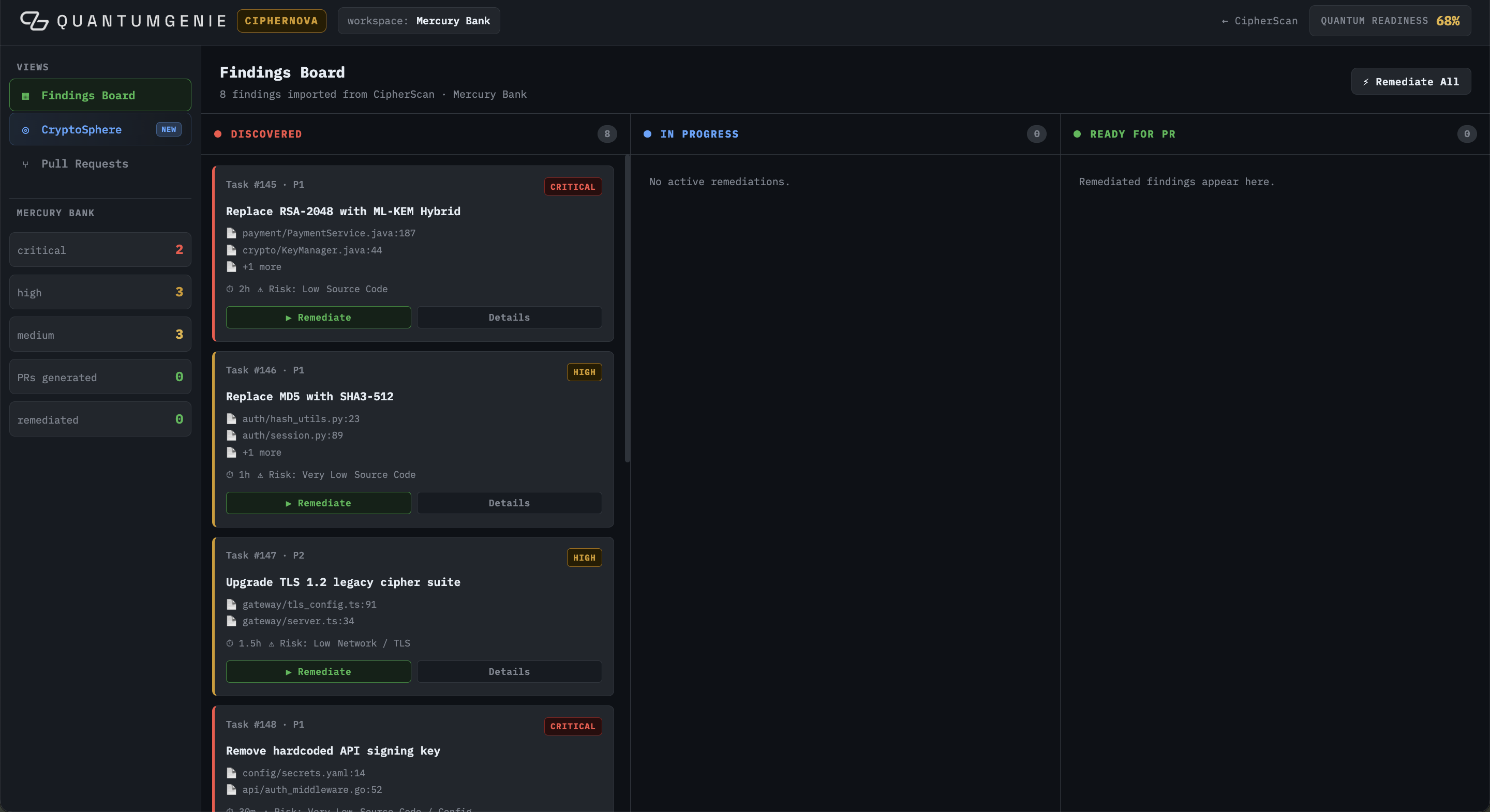
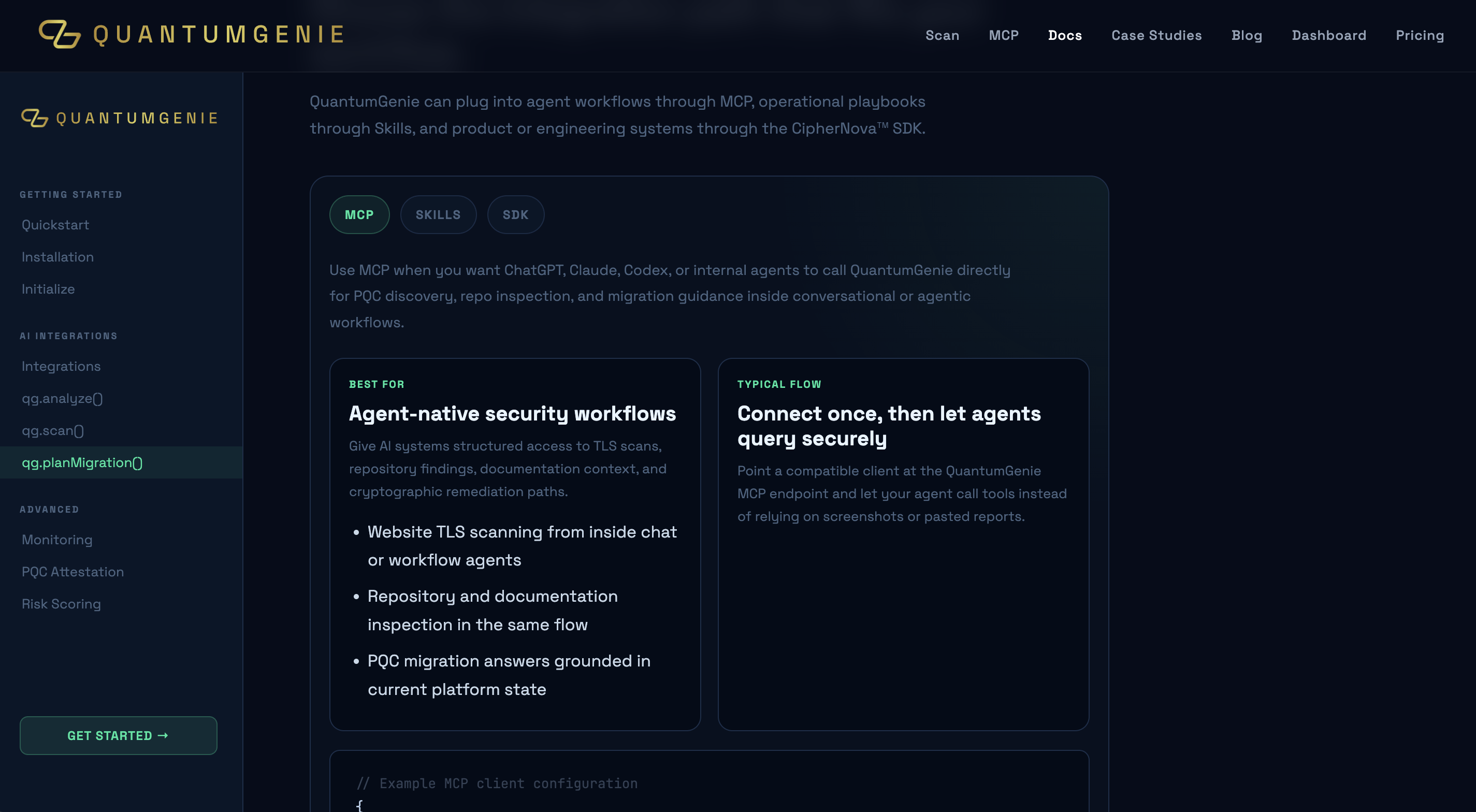
QuantumGenie directly addresses the critical challenges enterprises face in preparing for post-quantum cryptography. By delivering an advanced discovery layer that identifies cryptographic use across multiple assets and environments, QuantumGenie builds the essential cryptographic inventory and CBOM that the industry reports emphasize.
Beyond visibility, QuantumGenie's risk prioritization aids security teams in focusing remediation where it matters most, while its orchestration features support complex workflow execution for crypto-agility. This makes QuantumGenie a practical, indispensable infrastructure for managing the end-to-end PQC migration lifecycle—aligning with the strategic recommendations of leading security analyses to transform quantum threat preparedness from an abstract concern into a manageable enterprise program.
Frequently Asked Questions
Why is building a cryptographic inventory critical for PQC migration?
A comprehensive inventory reveals all locations and uses of cryptography within the enterprise, enabling accurate risk assessment, migration impact analysis, and progress tracking in migrating to quantum-safe algorithms.
How do NIST-approved algorithms influence enterprise migration plans?
NIST-approved algorithms define the standardized quantum-resistant cryptographic methods enterprises must adopt to ensure long-term security compliance and interoperability across ecosystems, shaping technical migration roadmaps.
Watch The Quantum Threat
Sources And Further Reading
- Post-Quantum Cryptography: Enterprise Guide to Quantum-Safe Security Cyber Technology Insights · May 14, 2026
- Post-Quantum Cryptography and Quantum Readiness Open Security Architecture · Feb 1, 2025