In This Article
What This Means
- Why a Structured Post-Quantum Migration Roadmap Matters
- Key Enterprise Implications of the 2026 PQC Migration Roadmap
- How QuantumGenie Supports Enterprise PQC Migration Success
Why a Structured Post-Quantum Migration Roadmap Matters
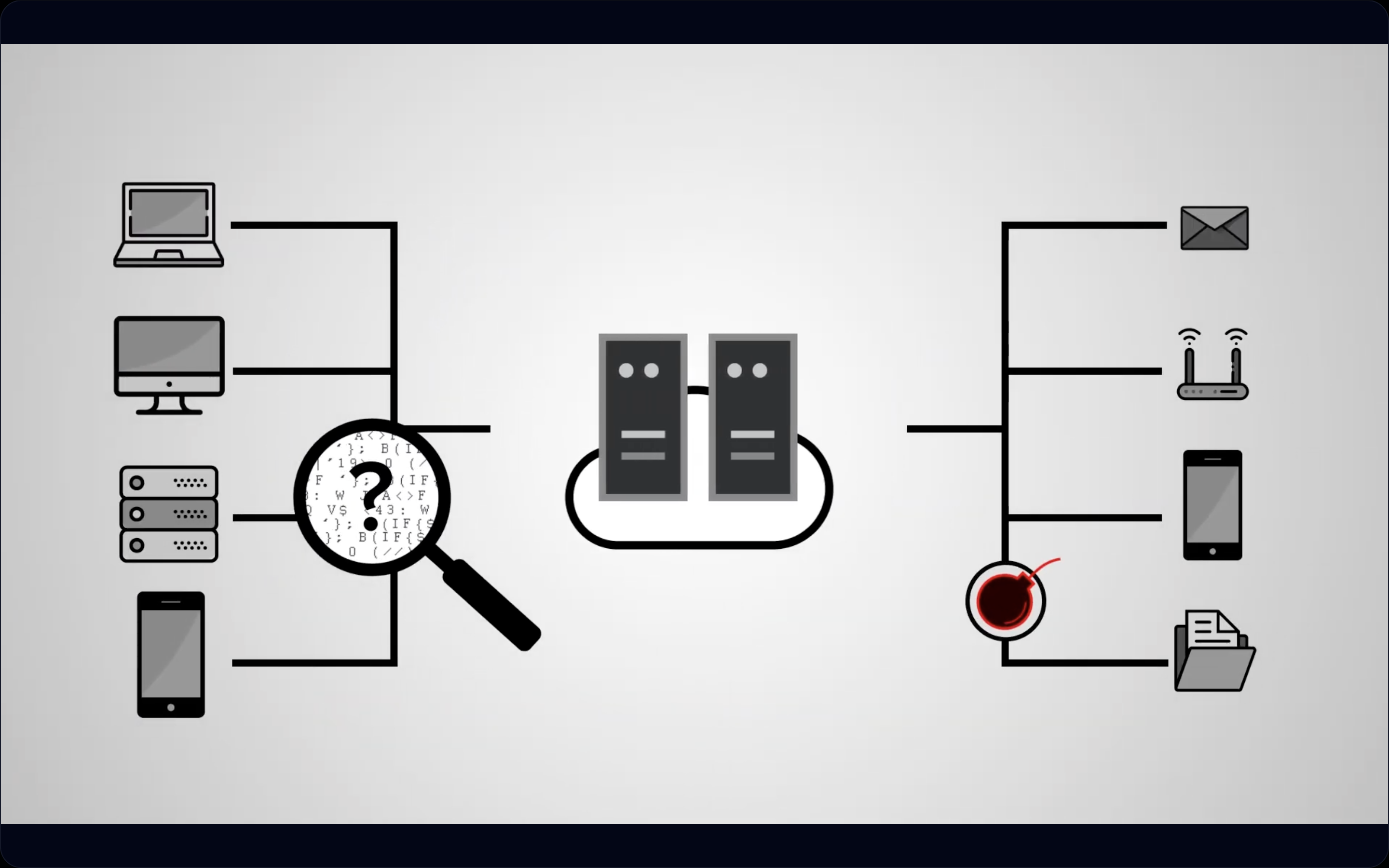
The specter of quantum computing threatens current cryptographic standards, making the urgency for migration towards quantum-resistant algorithms more pressing than ever. The 2026 roadmap from LayerLogix lays out a phased, methodical approach targeted at enterprises and managed service providers, stressing the need to act proactively against 'Harvest Now, Decrypt Later' attacks where adversaries steal encrypted data today to decrypt using future quantum computers.
Delaying migration increases exposure to long-term confidentiality risks, and the roadmap highlights concrete phases from discovery to testing and deployment. Enterprises are urged to forge a strategic plan, responding not only to technical challenges but also operational and compliance demands. This guidance aligns with government advisories such as CISA’s readiness assessments and evolving industry standards, anchoring migration efforts in a practical business context.
Key Enterprise Implications of the 2026 PQC Migration Roadmap
Enterprises must build comprehensive inventories of cryptographic assets, spanning applications, certificates, infrastructure, and code to understand exposure. Next comes risk-based prioritization, focusing first on high-value assets vulnerable to quantum attacks and regulated data environments. As the roadmap emphasizes, phased testing and gradual rollout minimize disruption while ensuring cryptographic agility for evolving threats.
This process demands strong governance and collaboration across security, architecture, compliance, and development teams. Early discovery allows enterprises to uncover hidden risks and dependencies before costly remediation. Also vital is integrating migration plans with compliance frameworks and audit evidentiary requirements, ensuring that transition efforts meet regulatory scrutiny without operational bottlenecks.

Post-Quantum Cryptography Migration 2026 Roadmap: Key Phases and Actions
| Phase | Description | Enterprise Focus |
|---|---|---|
| Discovery and Inventory | Identify all cryptographic assets across applications, infrastructure, and data stores | Comprehensive cryptographic exposure visibility |
| Risk Assessment and Prioritization | Evaluate cryptographic risk based on data sensitivity and exposure to quantum threats | Data-driven prioritization of migration efforts |
| Testing and Validation | Trial post-quantum algorithms and integration impact in controlled environments | Minimize disruption during crypto transition |
| Phased Deployment | Gradual rollout of quantum-safe algorithms with monitoring | Maintain operational stability and audit readiness |
How QuantumGenie Supports Enterprise PQC Migration Success
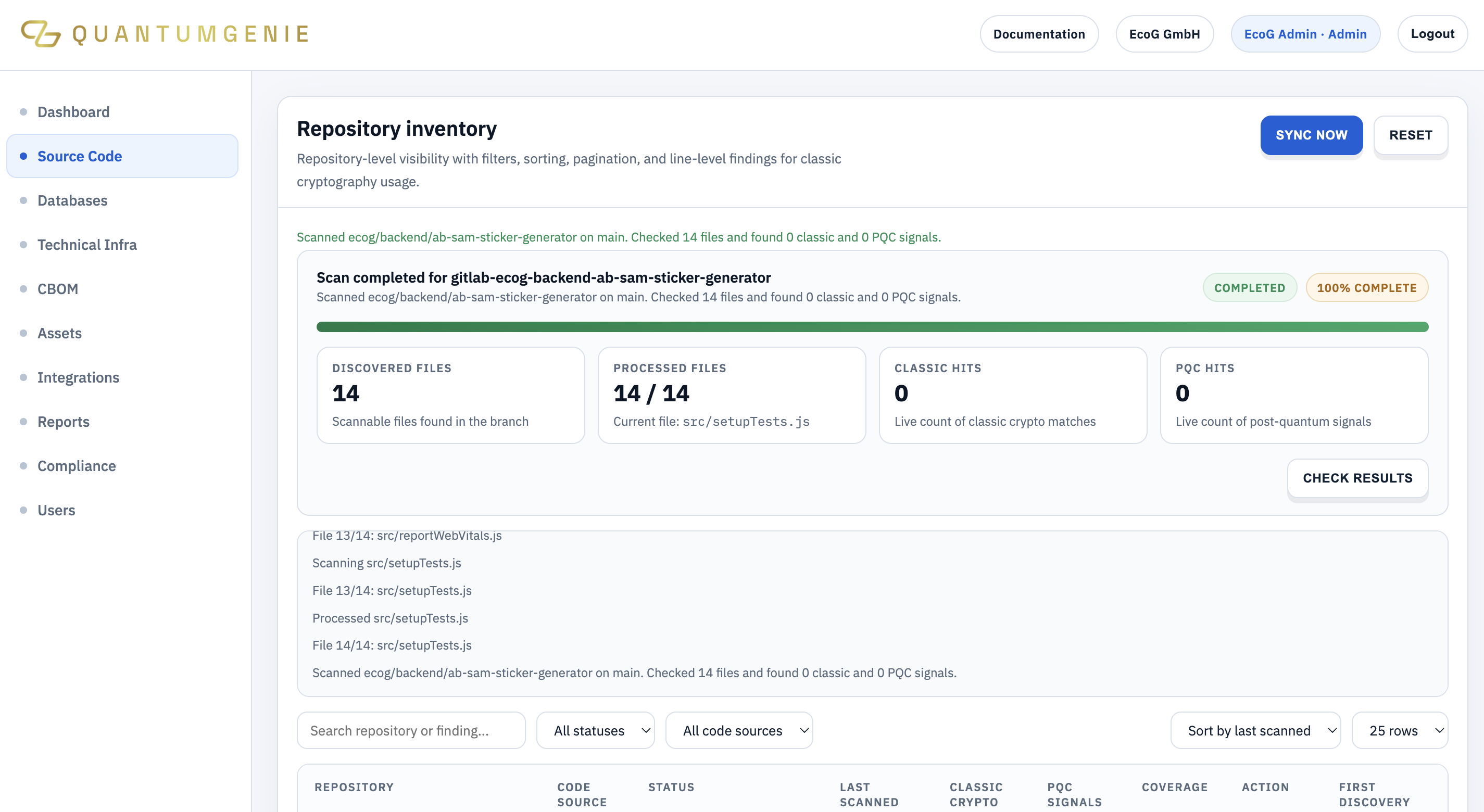
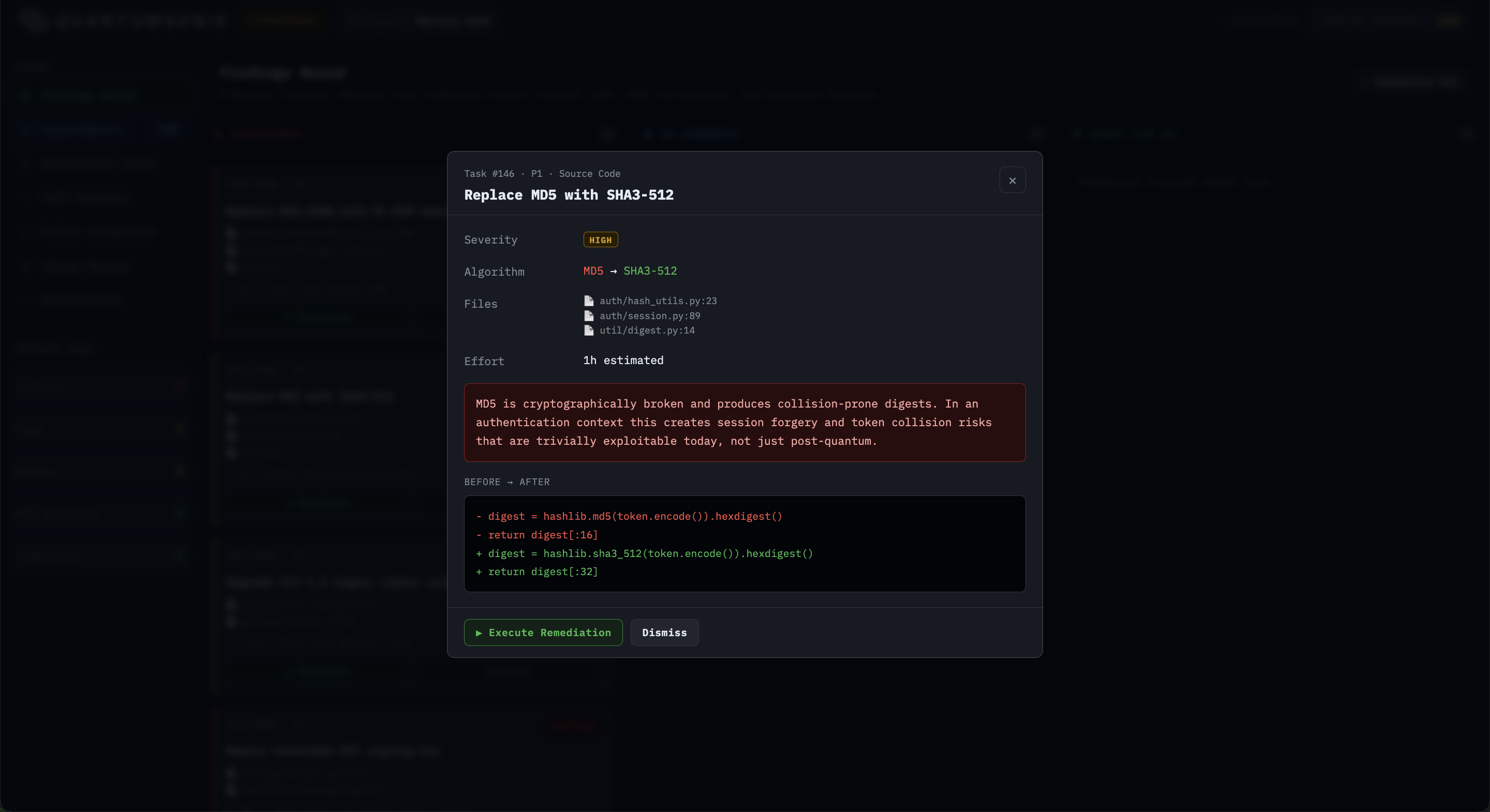
QuantumGenie addresses crucial challenges laid out in the migration roadmap by delivering centralized cryptographic discovery and inventory management through its CipherScan platform. Enterprises gain full visibility into cryptographic use across their digital estate, forming a foundational cryptographic bill of materials (CBOM). Coupled with CipherNova, QuantumGenie enables prioritization workflows and migration orchestration, fostering controlled, auditable remediation processes.
This dual-layer approach aligns perfectly with phased migration strategies, allowing organizations to plan with confidence, prioritize the highest-risk cryptographic components, and operationalize changes with built-in governance and verification. QuantumGenie not only supports technical readiness but also reinforces compliance preparedness by producing actionable evidence throughout the migration journey. For CISOs and technical buyers, this infrastructure represents a pragmatic path to future-proof their cryptographic posture against quantum risks.
Frequently Asked Questions
Why is a phased migration approach critical for post-quantum cryptography adoption?
A phased approach reduces operational risk by allowing enterprises to gradually discover, assess, and remediate cryptographic assets while maintaining stability and ensuring compliance. It helps manage complexity and technical disruptions inherent to migrating cryptography across diverse systems.
How does building a cryptographic inventory help in post-quantum readiness?
Creating a cryptographic inventory reveals all instances where cryptography is used, including hidden or legacy components. This visibility is essential to accurately prioritize remediation efforts, avoid missed vulnerabilities, and comply with regulatory requirements during the migration process.
Watch The Quantum Threat
Sources And Further Reading
- Post-Quantum Cryptography Migration: 2026 Roadmap LayerLogix · Jun 12, 2026
- CISA Releases Technology Readiness List for Post-Quantum Cryptography CSO Online · Jan 27, 2026
- Post-Quantum Cryptography: Enterprise Guide to Quantum-Safe Security Cyber Technology Insights · May 14, 2026