
In This Article
What This Means
- The Weaponization of Post-Quantum Cryptography Terminology by Ransomware Actors
- Enterprise Implications of PQC Terminology Abuse in Cyber Threats
- How QuantumGenie Supports Enterprise PQC Readiness Amidst Misinformation
The Weaponization of Post-Quantum Cryptography Terminology by Ransomware Actors
In a recent revelation by TechSpot, ransomware groups are co-opting the buzz around post-quantum cryptography (PQC) to intimidate victims into paying ransoms. Malware families like Kyber falsely claim to employ quantum-resistant cryptography, attempting to imply their attacks are unbreakable even by future quantum computers. However, these claims are marketing smoke rather than technical reality: the underlying cryptography in such malware remains classical and conventional.
Enterprise Implications of PQC Terminology Abuse in Cyber Threats
This trend underscores an important enterprise lesson: the mere invocation of PQC does not guarantee security. Cyber adversaries exploit the complexity and unfamiliarity of PQC to cloud victims’ judgment, heightening social engineering pressure. Enterprises should anticipate such tactics as part of their broader risk models. Authentic PQC adoption requires rigorous cryptographic inventory to identify where legacy algorithms persist and comprehensive migration planning to offset exploit risks from both conventional and quantum-threat vectors.
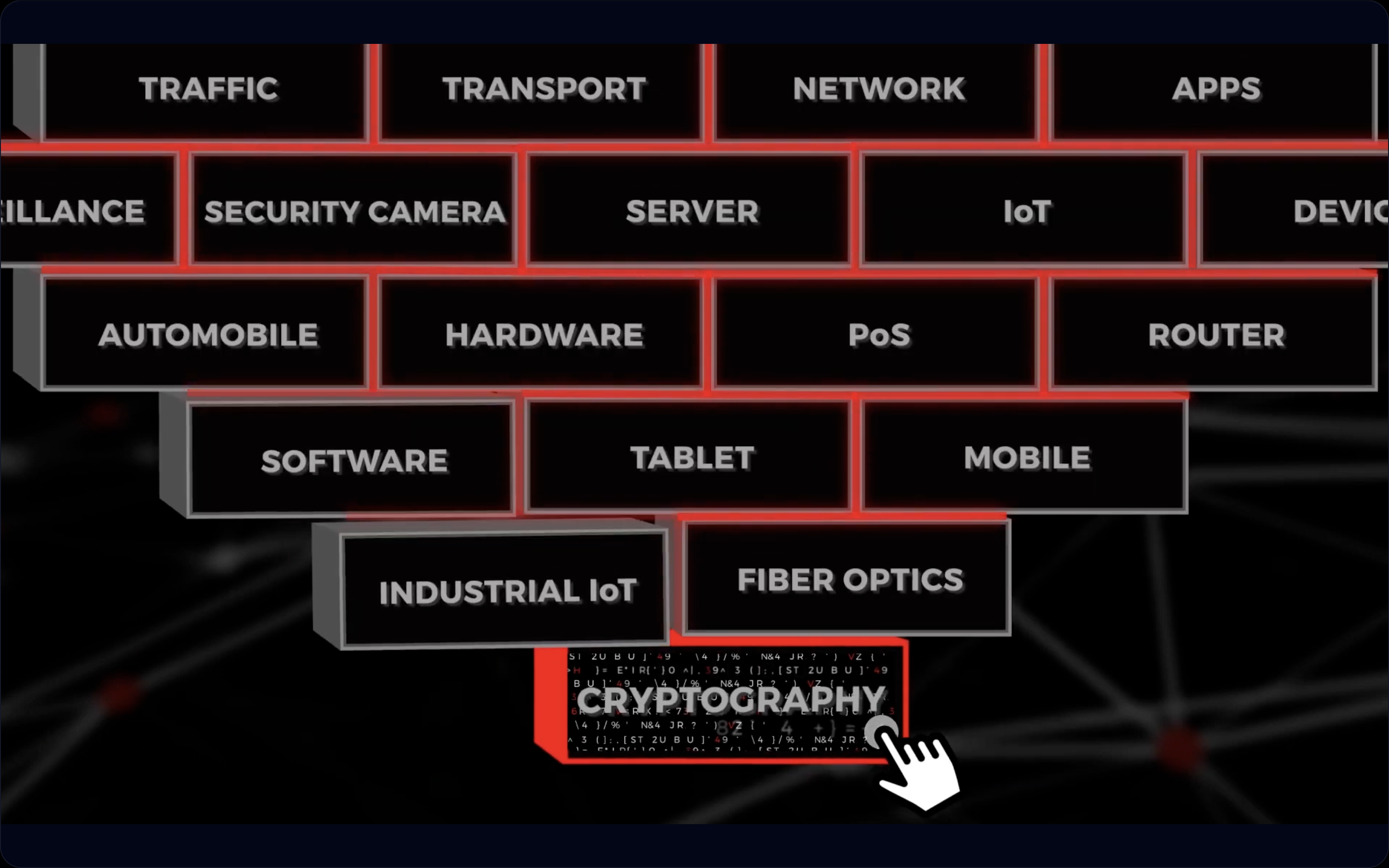
Enterprise Strategic Responses to PQC Terminology Misuse by Threat Actors
| Challenge | Enterprise Implication | QuantumGenie Capability |
|---|---|---|
| Ransomware groups claim quantum-resistant malware | Confusion and intimidation among cybersecurity teams | Automated comprehensive cryptographic inventory |
| Social engineering leveraging PQC hype | Elevated risk of ransom payments due to perceived unbreakability | Risk prioritization based on factual cryptographic data |
| Unverified PQC claims in threat landscape | Difficulty in compliance and readiness validation | CBOM generation for audit and compliance evidence |
How QuantumGenie Supports Enterprise PQC Readiness Amidst Misinformation
QuantumGenie addresses the challenge by providing comprehensive visibility into an organization’s cryptographic landscape through its CipherScan discovery tool. By establishing an accurate cryptographic inventory and constructing a cryptographic bill of materials (CBOM), security teams can assess true exposure to quantum-vulnerable algorithms rather than rely on hype or unverified claims. This clarity enables prioritized, risk-based PQC migration planning and helps organizations demonstrate compliance readiness. In an environment where cyber threat actors misuse PQC terminology as psychological leverage, QuantumGenie equips enterprises to respond with confidence grounded in factual security posture.
Frequently Asked Questions
Why do ransomware groups claim to use post-quantum cryptography?
Ransomware actors use PQC terminology to intimidate victims by implying their attacks are undefeatable, exploiting the general lack of understanding around post-quantum cryptography to increase pressure for ransom payments.
How can enterprises defend against threats abusing PQC hype?
Enterprises should establish accurate cryptographic inventories and employ risk-based migration plans to understand real cryptographic exposures and not be misled by unverified claims, strengthening their security posture against both current and future risks.
Watch The Quantum Threat
Sources And Further Reading
- Ransomware Groups Exploit 'Post-Quantum' Hype to Intimidate Victims TechSpot · Apr 24, 2026