In This Article
What This Means
- Google’s Post-Quantum Migration Mandate and Enterprise Impact
- The Growing Quantum Threat Landscape Illustrated by Emerging Attacks
- How QuantumGenie Supports Practical Enterprise Post-Quantum Readiness
Google’s Post-Quantum Migration Mandate and Enterprise Impact
In a recent strategic announcement, Google established 2029 as the firm deadline to transition its authentication infrastructure to post-quantum cryptography (PQC). This timeline reflects an urgent and practical acknowledgment that quantum computers capable of undermining conventional cryptography are advancing faster than anticipated. For enterprises beyond the crypto world, Google’s posture signals a paradigm shift: quantum threats are no longer distant speculation but pressing realities requiring immediate action.
Enterprises relying on digital certificates, TLS, code signing, and authentication based on classical cryptographic primitives must now prepare for a complete PQC migration. The challenge lies not only in technology selection but also in comprehensive discovery of cryptographic assets dispersed across heterogeneous environments—sites, databases, applications, and integrations—before migration can be planned and executed. Ignoring the timeline risks a crippling security gap as adversaries are anticipated to deploy quantum-capable attacks within this decade.
The Growing Quantum Threat Landscape Illustrated by Emerging Attacks
Supporting this urgency, recent intelligence from the Cloud Security Alliance highlights the Kyber ransomware group as the first criminal entity to incorporate a NIST-standardized post-quantum algorithm into its malware toolkit. This remarkable development flips the narrative: post-quantum algorithms are not merely defensive tools but can also be adopted by threat actors to evade classical cryptanalysis. The interplay of adversary adoption raises the stakes significantly for enterprise defenders.
Together, these developments punctuate a crucial inflection point. Enterprises face a compressed timeline to: inventory their cryptographic footprints; validate which assets require migration; prioritize based on risk exposure; and implement crypto-agile processes to flexibly pivot as standards and threats evolve. This landscape demands practical, orchestrated enterprise solutions beyond ad hoc patching or piecemeal tool adoption.

Enterprise Post-Quantum Cryptography Migration Timeline and QuantumGenie Support
| Migration Phase | Timeframe | Enterprise Tasks |
|---|---|---|
| Discovery and Inventory | Today to 2027 | Identify all cryptographic assets across systems and codebases |
| Risk Prioritization and Planning | 2027 to 2028 | Assess risk exposure and plan migration roadmap |
| Implementation and Remediation | 2028 to 2029 | Execute migration workflows, monitor and verify changes |
| Compliance and Audit | Ongoing | Ensure documentation and compliance with regulations |
How QuantumGenie Supports Practical Enterprise Post-Quantum Readiness
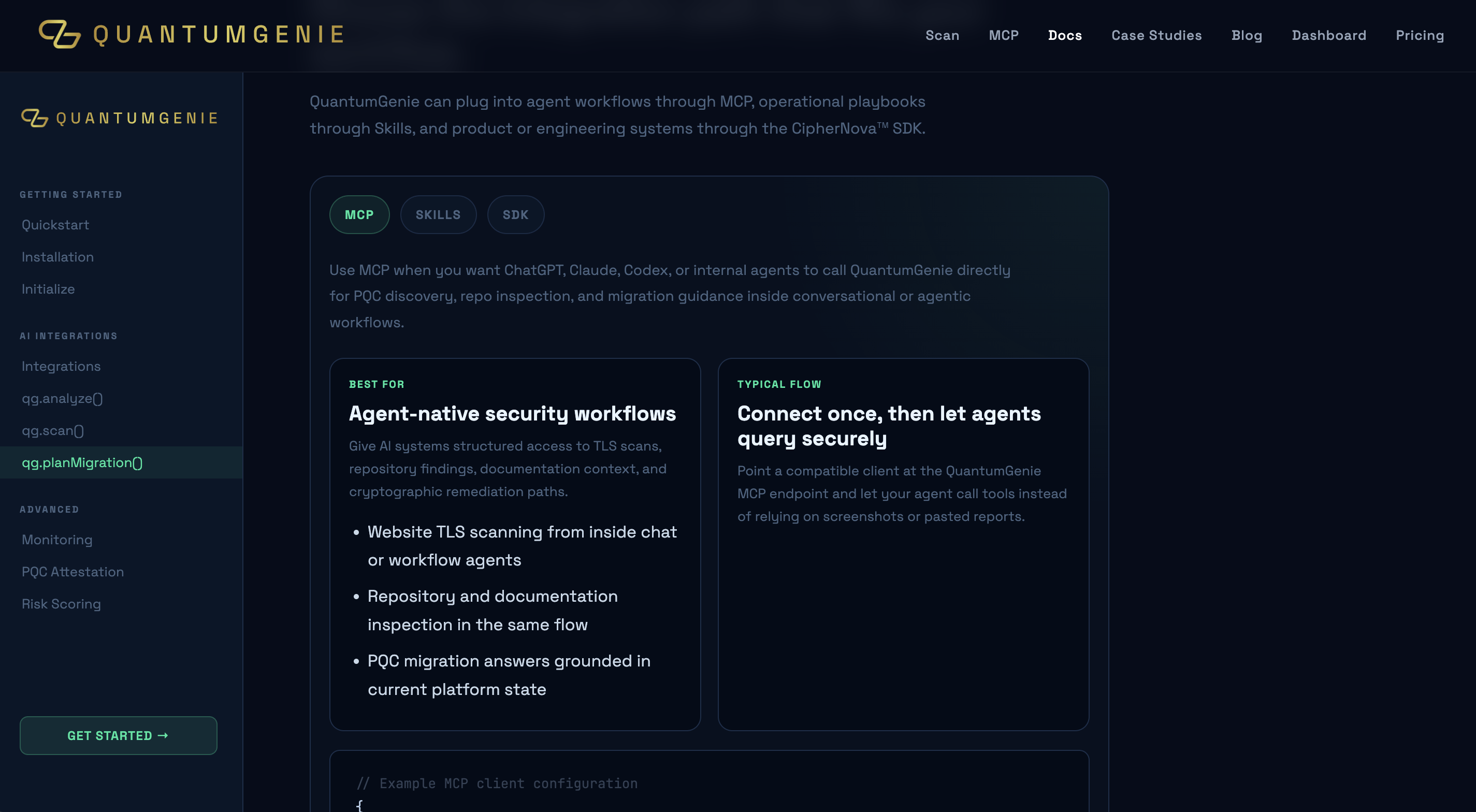
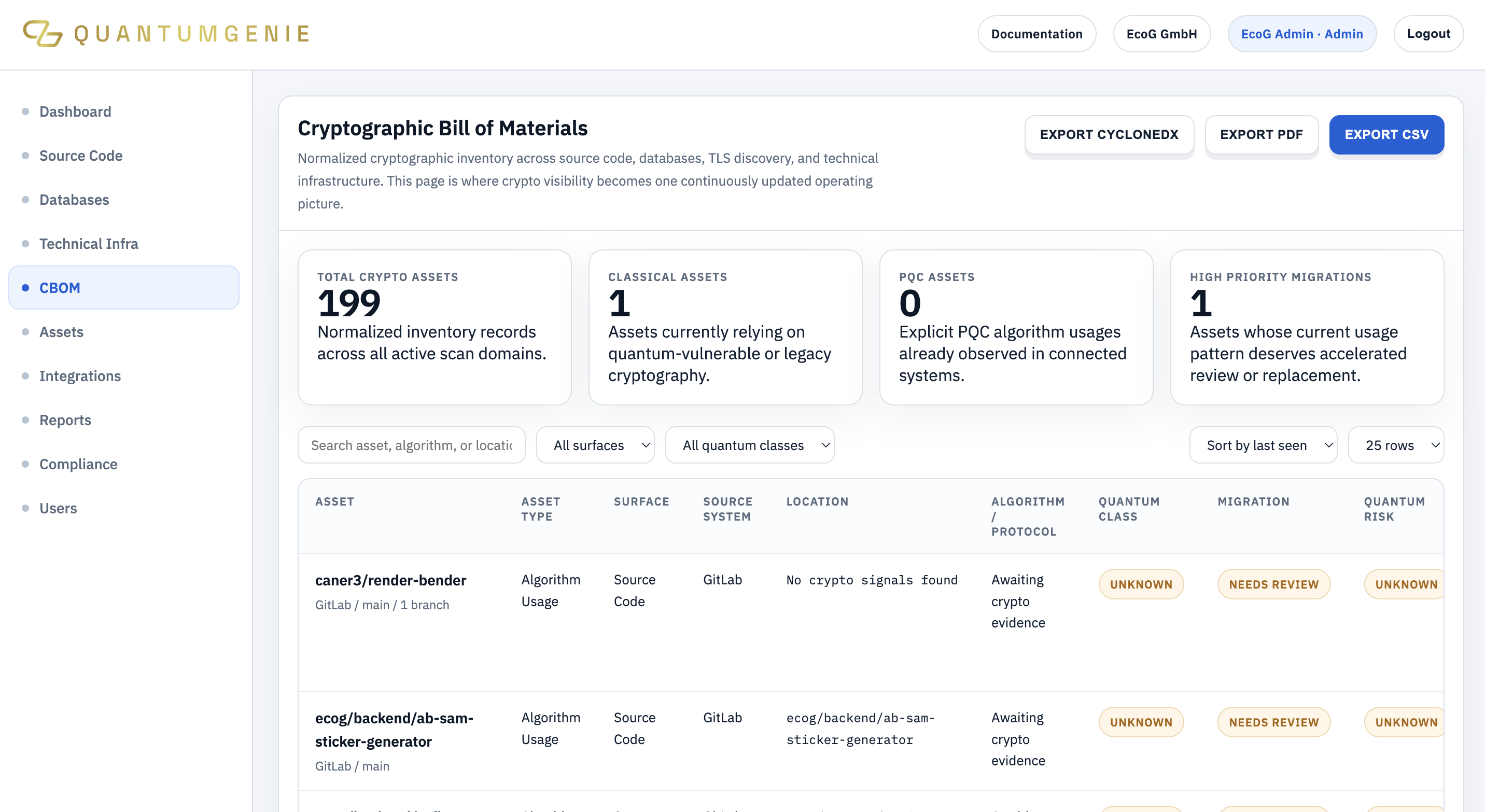
QuantumGenie uniquely addresses these operational and strategic demands by providing an integrated platform tailored for post-quantum cryptography migration readiness. Its CipherScan capability discovers and inventories cryptographic assets across the enterprise, building a comprehensive cryptographic bill of materials (CBOM) that serves as the foundational data for migration planning. This visibility is critical to avoid blind spots that could become catastrophic vulnerabilities as PQC deployment deadlines approach.
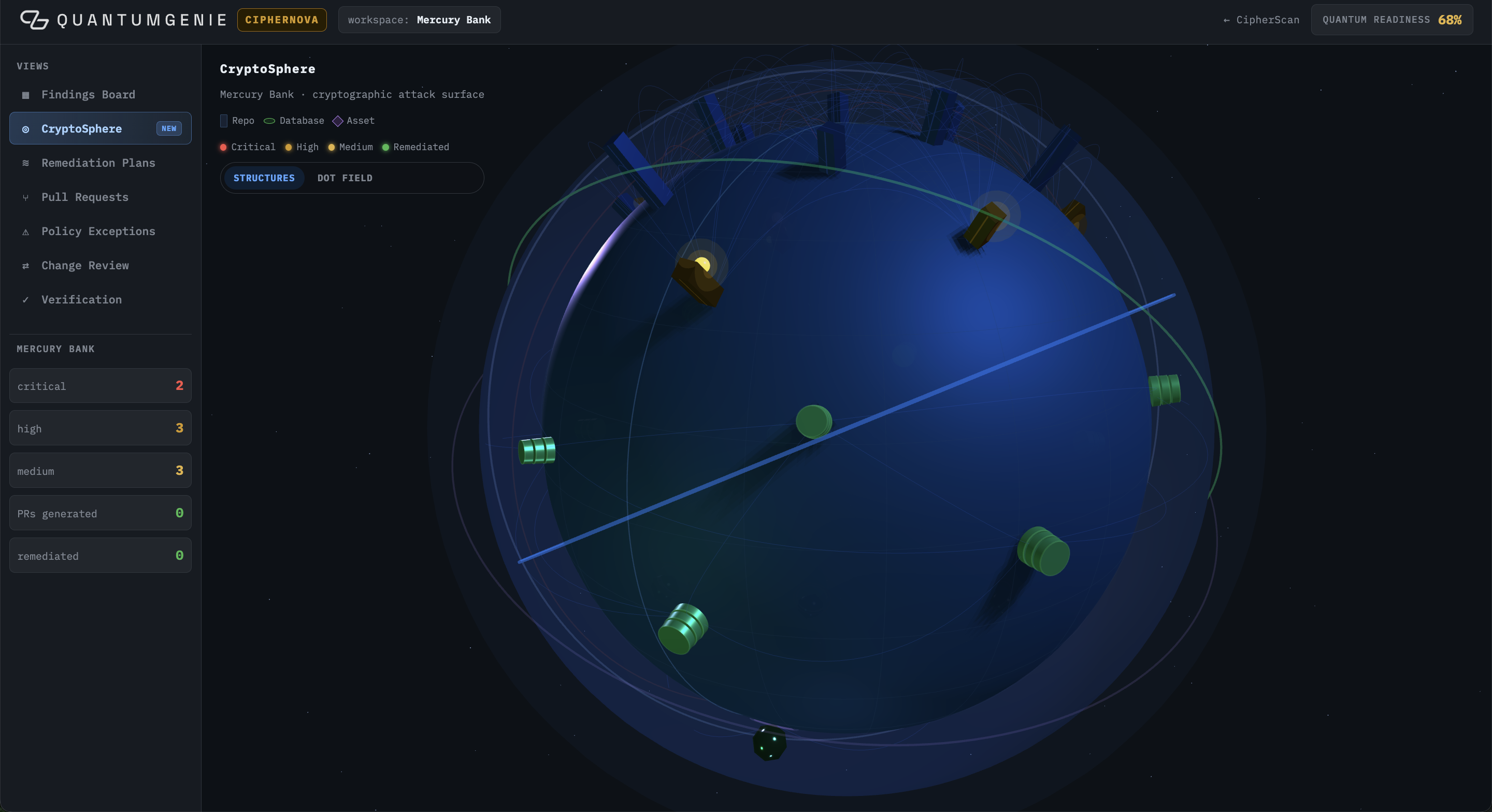
Beyond inventory, QuantumGenie’s CipherNova orchestrates prioritized remediation workflows, policy exceptions, pull requests, and verification processes, enabling teams to build crypto-agile environments. This structured approach supports compliance readiness aligned with evolving regulations and standards, such as those from NIST and other authorities. QuantumGenie thereby transforms the complexity of PQC migration into actionable enterprise processes, ensuring that organizations can meet accelerating quantum security mandates with confidence and clarity.
Frequently Asked Questions
Why is Google’s 2029 deadline important for enterprises outside of Google?
Google’s 2029 deadline illustrates that large technology leaders anticipate the arrival of practical quantum threats soon. Enterprises should regard this timeline as a warning to avoid being caught unprepared by quantum-capable attacks, urging them to accelerate their own post-quantum cryptography migration efforts.
How does QuantumGenie simplify the complex post-quantum migration process?
QuantumGenie provides comprehensive discovery of cryptographic assets, essential for understanding migration scope. It then enables prioritization based on risk and orchestrates remediation workflows that ensure organized, verifiable migration steps, thus reducing operational risk and complexity in meeting PQC deadlines.
Watch The Quantum Threat
Sources And Further Reading
- Watch out Bitcoin devs. Google says post-quantum migration needs to happen by 2029. CoinDesk · Mar 28, 2026
- Kyber Ransomware: First Criminal Use of Post-Quantum Encryption Cloud Security Alliance · Apr 24, 2026